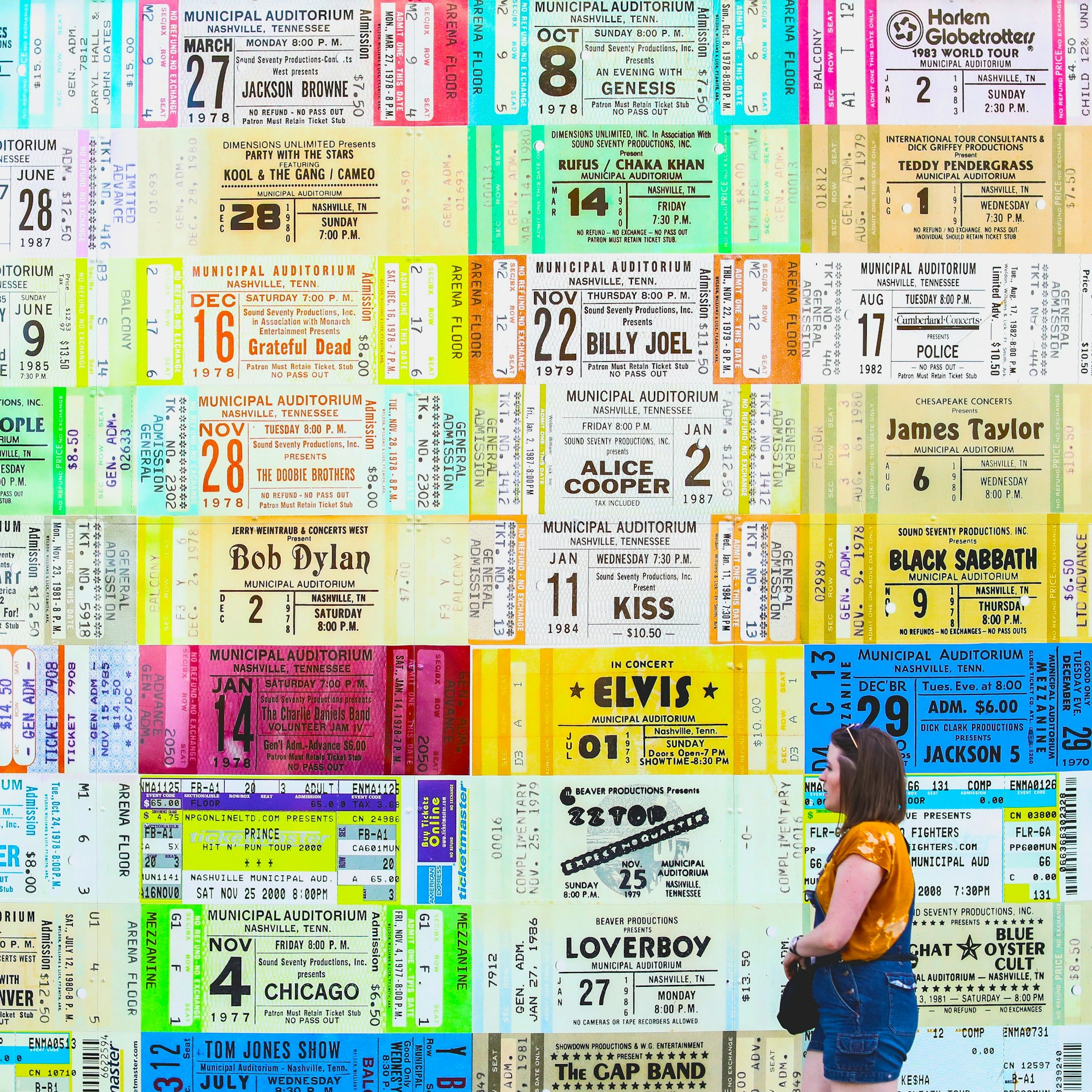
Ticket resale was originally pitched as a convenience layer for fans: a safe place to buy from someone who could no longer make it, at a price the market would bear. In practice, a growing number of buyers now feel trapped inside a system built around hidden fees, inflated markups, and pricing that only becomes clear at the very last step of checkout.
Anyone searching for alternatives to viagogo, StubHub, Ticketmaster resale, or SeatGeek tends to arrive at the same complaint: a ticket advertised at £100 can quietly become £125 or more once service charges and transaction fees are added at the end. The listed price and the price you actually pay are often two different numbers, and the gap only appears once you have already committed. It is a pattern we covered in detail last week, and it has not let up since.
Where the frustration shows up most
The pattern is especially visible around events where demand outstrips supply by a wide margin: Wimbledon finals, the Oasis reunion shows, Premier League fixtures, and the big summer festivals. These are exactly the events where resale platforms have the least incentive to compete on price, because buyers have nowhere else to go.
That dynamic has created an opening for newer platforms built around a different pitch: lower fees, verified fan-to-fan listings, and pricing that is visible before checkout rather than after it. One of the platforms gaining attention in this space is TicketHunter.io, which positions itself around an all-in buyer fee and no charge for sellers, across the UK and Europe. It fits a broader shift toward verified fan marketplaces as the direction the ticketing industry is heading in next.
Comparing the fee structures
| Platform | Buyer fees | Seller fees | Fee transparency |
|---|---|---|---|
| TicketHunter.io | Approx. 13% all-in | 0% until 2027 | Visible upfront |
| viagogo | Variable | Variable | Often disclosed late in checkout |
| StubHub | Variable | Seller fees apply | Mixed visibility |
| Ticketmaster resale | Dynamic | Variable | Priced in at checkout stage |
The headline difference is when the fee becomes visible. Platforms that disclose an all-in price upfront let a buyer compare options before they commit; platforms that add fees at the final screen make comparison shopping harder, which is precisely when a fan under time pressure is least likely to walk away. It is part of a wider pattern: the resale industry has a trust crisis it largely created itself, and pricing opacity is a big part of why.
Why the gap exists in the first place
The secondary market exists because the primary market routinely underprices demand. An artist or promoter pricing an arena show at £80, when the same show could sell out at £200, is effectively handing that difference to whoever buys early and resells. That gap is structural, not a pricing accident, and it is what economists point to as the reason the resale industry has grown up around live music in the first place.
Regulators in the UK and EU have pushed for two fixes: all-in pricing transparency, so the total cost is visible from the first listing, and price caps on resale relative to face value. Fan-to-fan platforms with lower, upfront fees are, in effect, delivering the first of those fixes voluntarily rather than waiting for legislation to force it.
For fans buying resale tickets around any of the big events this summer, the practical takeaway holds regardless of platform: check face value before you search resale sites, add up the total cost at checkout rather than trusting the headline price, and compare more than one platform before paying. A ticket that looks identical on two sites can still land 20% apart once the fees are counted, and that gap is only visible to buyers willing to do the comparison themselves. The UK government is now moving to close that gap by regulation rather than leaving it to buyers alone, with new ticketing laws set to require resale platforms to disclose fees and face value upfront.