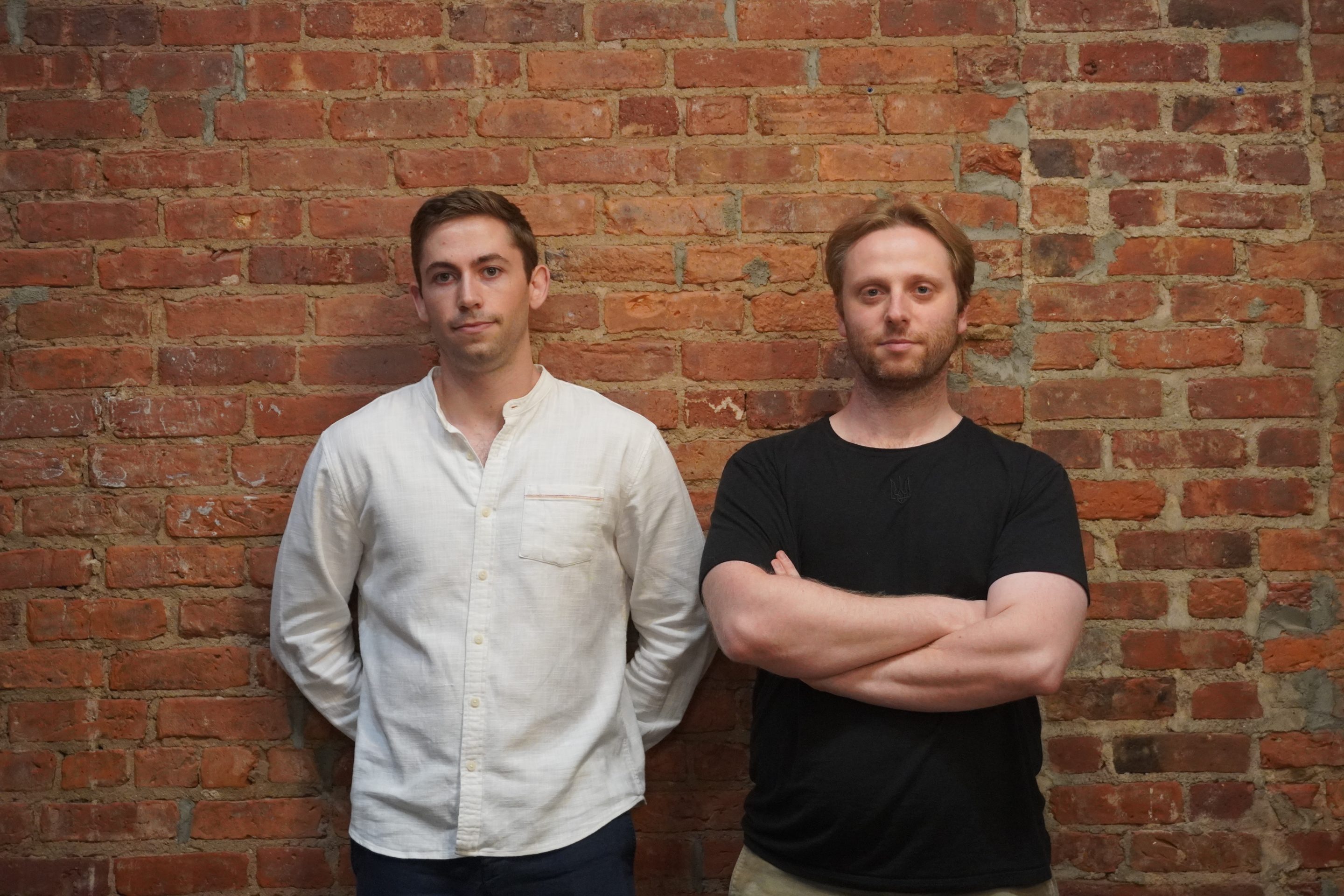
Prediction markets have surged over the past year, with ads appearing everywhere from World Cup matches to New York City subway stations. While Kalshi and Polymarket dominate the space, a new wave of startups is clamoring to carve out a place in one of the buzziest new sectors in finance. One of those is Pascal, which aspires to offer a more refined version of prediction markets than existing platforms, and on Thursday announced a $9 million Series A funding round.
The New York-based startup is a prediction market platform like Kalshi, but one that positions itself as closer to a class of trading products known as perpetual futures. Pascal says its users can trade on future events with competitively low fees while using advanced tools designed for serious traders and institutions rather than casual bettors.
“I would love to see a world where there are liquid markets for the types of risks that real businesses face and are interested in hedging,” said Pascal cofounder Ivo Crnkovic-Rubsamen who launched the company along with Matthew Downey.
Union Square Ventures led the fundraise. Crnkovic-Rubsamen and Downey declined to specify at what valuation the startup raised its most recent stash of capital. The Series A builds on a seed round Pascal held last August, which raised $6 million from Wintermute Ventures and DBA.
A competitive industry
Crnkovic-Rubsamen and Downey both come from intense trading backgrounds, which they say led them to recognize early on the enormous potential offered by prediction markets. Before this venture, Crnkovic-Rubsamen spent years as a quantitative trader at Bridgewater Associates and D.E, which are known for their sophisticated trading strategies. He then became CEO at crypto derivatives exchange dYdX in 2024. Downey, meanwhile, has an extensive background in high-frequency trading in crypto.
The two met through their institutional trading work and, after seeing first-hand the flaws in existing prediction markets, decided to build Pascal for professional traders who need better tools. The firm’s name honors Blaise Pascal, the 17th-century mathematician whose work on probability and decision-making helped shape modern thinking about how to bet on uncertain events.
Together, they worked on Pascal to keep trading cheaper and faster than existing venues, reduce “phantom fills” where trades appear to go through but never settle, and give serious traders better tools and incentives to provide liquidity. Pascal launched in June and remains in private beta, with the company declining to disclose current trading volumes.
Prediction markets like Polymarket and Kalshi rose to prominence just before the 2024 presidential election and have since become major players in finance, gaming, and media. Polymarket is valued at $15 billion, while Kalshi is valued at $22 billion and is reportedly in talks to raise new funding that could roughly double that figure.
These platforms let people bet on crypto, sports, and elections, and some event contracts now see billions of dollars in trading volume. Despite being early-stage, prediction markets have gained ground with regulators, including Kalshi securing approval from the Commodity Futures Trading Commission in 2020.
Nonetheless, their resemblance to gambling sites has triggered a wave of lawsuits across the United States over whether they should fall under federal oversight or be regulated state by state.