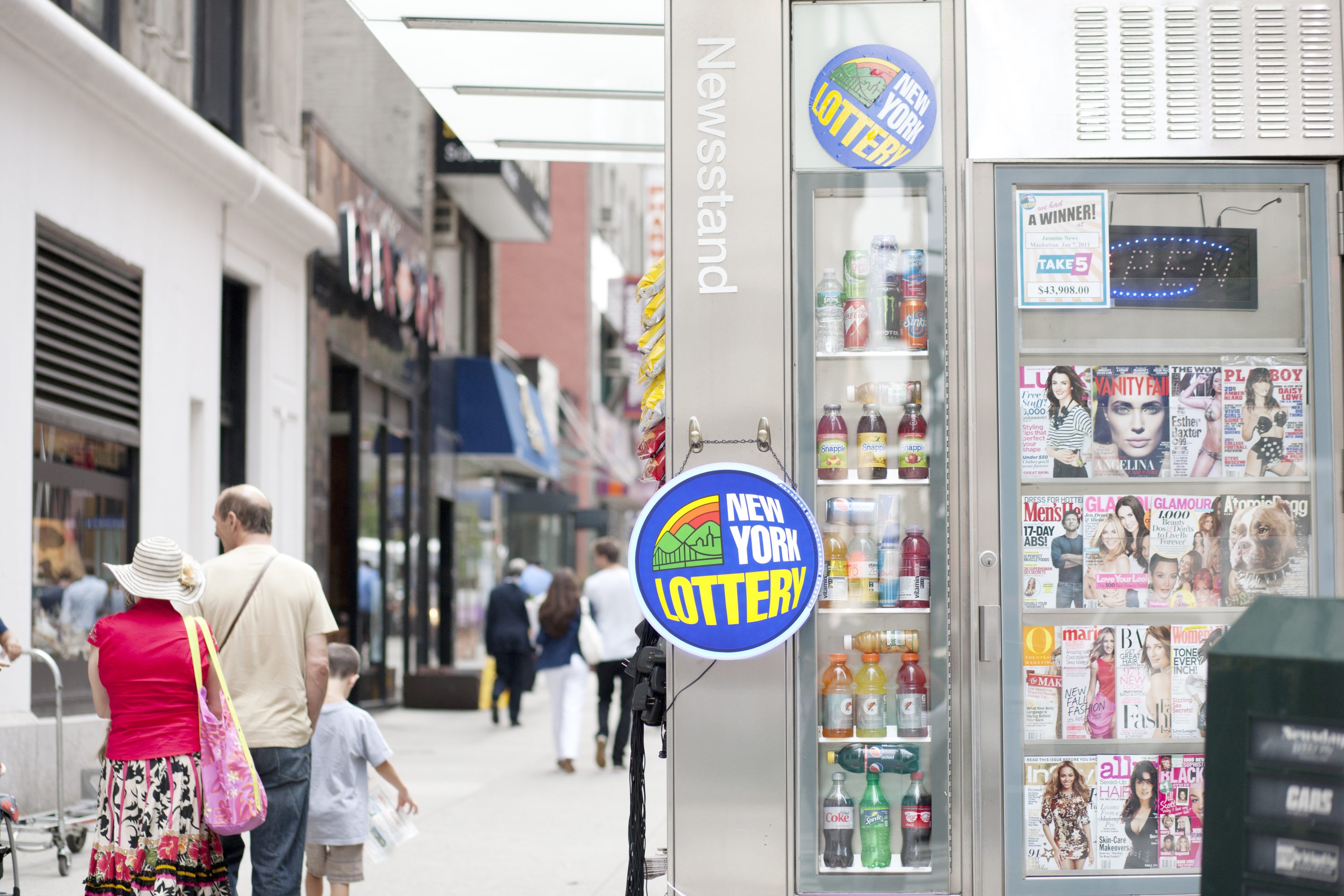
Buying a ticket is one thing.
Put that same ticket behind the three simple words, “Enter to win,” and suddenly it feels worth chasing, as if winning feels more valuable than buying.
It may seem like the lottery is what creates the excitement, but economist Judd Kessler says it’s often a sign the excitement was already there.
“The reason they’re having a lottery in the first place is because there is what economists would call excess demand,” he told UnHerd. “More people want the thing at that price than can be served.”
In other words, lotteries often reveal demand rather than create it.
Businesses don’t always eliminate scarcity
Kessler, a professor at the University of Pennsylvania’s Wharton School and author of Lucky by Design, calls lotteries, restaurant lines, waiting lists and Ticketmaster queues “hidden markets,” ways of allocating scarce goods without simply raising prices until demand falls.
A line around the block at a restaurant can send a powerful signal to consumers. “Lots of people want this thing at this price. That means maybe I should too,” Kessler said.
Businesses facing excess demand have options. They can raise prices until fewer people are willing to pay. They can sell on a first-come, first-served basis. Or they can preserve those hidden markets.
Some sellers intentionally perpetuate them instead of simply raising prices because scarcity itself can generate excitement and strengthen future demand, Kessler said.
The appeal of winning goes beyond saving money. He said that feeling is part of what hidden markets create.
“The winners get the feeling they got something that other people wanted, that they couldn’t get,” he told UnHerd.
Broadway lottery entrant Ella Hozhei has experienced that excitement firsthand. Since she lives in New York and can be flexible on dates, she regularly enters drawings as a cheaper way to see shows she wants to watch.
By not paying full price, she said the lottery let her take chances on shows she wasn’t sure she’d enjoy. But when it came to the Stranger Things stage production, she was really excited and bought tickets the minute she found out she had won.
“It made me feel like I had been chosen to see the show,” Hozhei told UnHerd.
Other highly anticipated events have also required the use of lotteries. Last month, Fidelity said it would use a lottery to allocate shares of the anticipated SpaceX IPO among retail investors if demand exceeded its allotment.
Governments use lotteries differently
Governments, meanwhile, often use lotteries to distribute limited opportunities more equitably rather than generate excitement around a product.
The federal government uses a lottery to allocate a limited number of Diversity Visas each year to applicants from countries with historically low rates of immigration, rather than awarding them on a first-come, first-served basis. Meanwhile, national parks rely on them to manage access to high-demand destinations such as The Wave in Arizona.
Elsewhere, New York City uses lotteries to allocate affordable housing. And this past week, the city announced it will distribute 500 free tickets to the 2026 USA Track & Field Outdoor & Para National Championships through a lottery alongside discounted tickets.
Mayor Zohran Mamdani said the ticket giveaway is intended to make the championships more affordable and accessible.
The announcement follows a similar initiative earlier this year, when Mamdani offered New Yorkers the chance to purchase 1,000 World Cup tickets for $50 after criticizing FIFA’s soaring ticket prices.
Kessler said government lotteries are guided by what he calls the “three E’s”: equity, efficiency and ease.
“Loterries, if designed properly, are a very good way of doing those allocations,” he said.