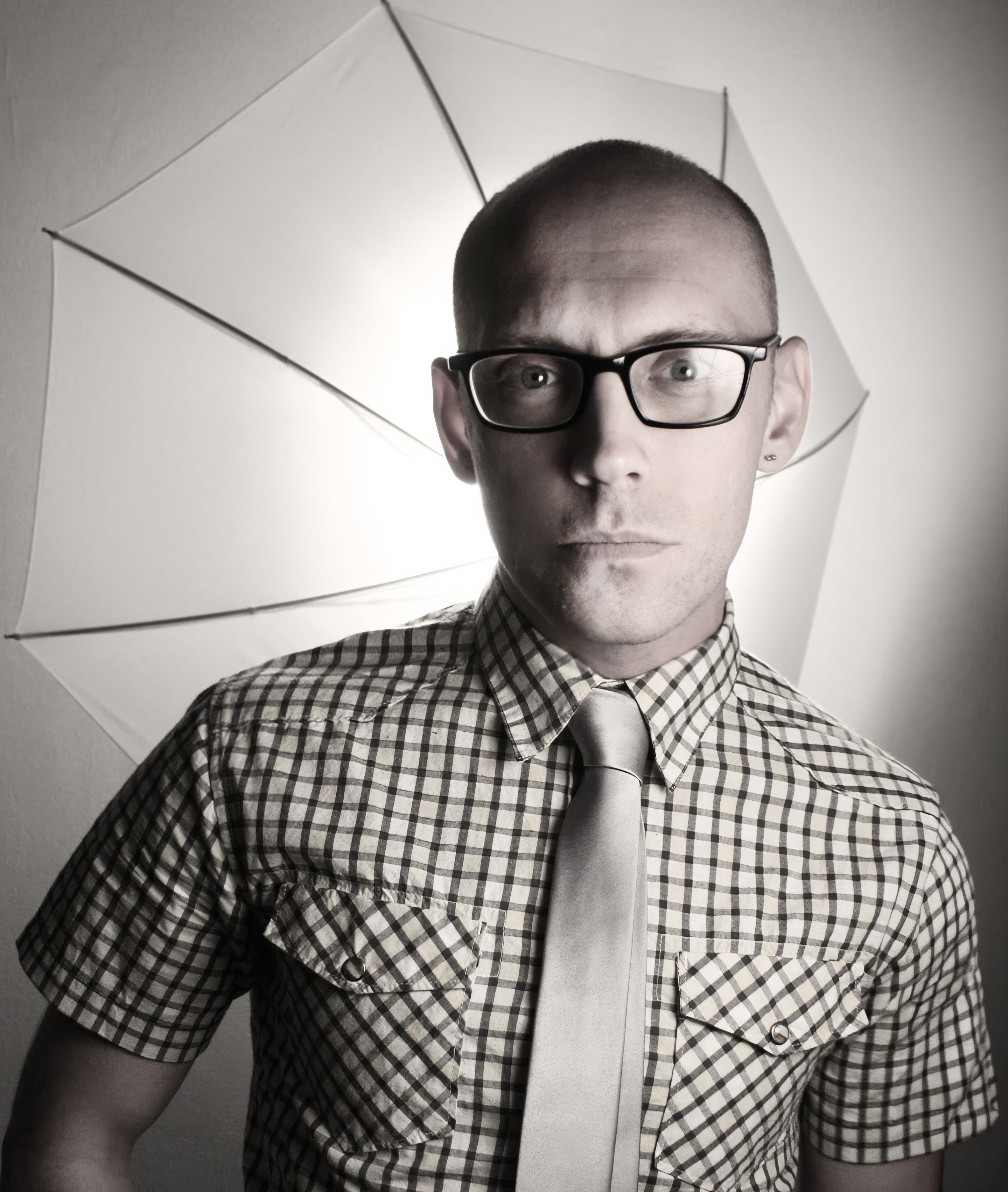
The game is rigged, the banker cheats. So I broke the rules. How to Win One Million Dollars and $#!T Glitter was a joke, a memoir I wrote with AI to get cast on Survivor (they did not cast me). I ended up winning a 2026 IBPA Benjamin Franklin Award for it. I believed every lie Ronald Reagan ever told me. A generation made grift the national pastime, then voted reality TV into the White House. If the American Dream is a lie, then we gotta play by our own rules.
On the first page of my book I make a deal with the reader: I’m gonna “lie, cheat, and steal,” and I mean it. But memory is a fickle friend. And by the end I get a barrage of reviews screaming “I feel scammed.” Yet the critics and the juries? They love me! The Publishers Weekly BookLife Prize scored my debut a 9.5 out of 10. Kirkus called it “an exuberant life story written with humor, panache, and heart.” And (not to spoil the ending) all of them knew I used AI. Plus, all of the stories about my life are true.
That should have settled it. It didn’t. The moment I show an agent or a publisher how the magic trick works, they vanish. Poof. The room goes quiet. Everyone is terrified of an anti-AI public. An honest author is a liability. The work is human. But I wrote it with a machine, and that honesty is what nobody wants to buy.
At the awards conference in Portland this spring, I saw that every AI workshop was standing room only. Publishers are running AI through their own workflows while trying to hold moral authority over how writers use it. Simon & Schuster’s Dutch group is trialing AI to translate novels into English. Amazon is beta-testing a whole AI voice studio inside Kindle Direct Publishing. HarperCollins is also producing audiobooks with synthetic voices and has licensed part of its nonfiction backlist as AI training data, reportedly to Microsoft. Bloomsbury put an AI-generated stock image on a Sarah J. Maas cover.
I’m a painter by trade, and I’ve read Maas’ books. The irony isn’t lost on me. Obviously. A machine taught me what an em-dash was (and how to stop using it). When it generated junk, I made it change the words back. On that cover, Bloomsbury says it didn’t know the machine was there. Fine. I did. But when major publishers keep getting away with “Oh, I didn’t know,” who are we really policing?
Ask Mia Ballard. The detection company Pangram scored her novel Shy Girl to be 78% AI. She denied using it and said someone she’d hired to edit the book may have introduced it. Hachette canceled the U.S. publication and pulped the U.K. copies anyway. A major deal, gone on a percentage.
Run this article through the same detector. I did. It came back 82% “AI generated.” Generated? A machine fixed the punctuation and argued with me about structure. I wrote the ideas, the argument, the confession. It judges style, then rules on authorship. So now an editor counts as a ghostwriter? You tell me which 18% is mine.
We are punishing people for looking like robots and rewarding the robots for looking like us. This was never about protecting literature. It’s about who gets voted off the island.
I’m dyslexic. I can’t spell “again” correctly. Agian. Agian. Agian. My brain knows the word. My eyes do not. I couldn’t afford an editor. I never had a literary agent, and a publicist was a pipe dream. So I used AI to reach everything that was just out of my grasp. It was a copy editor, a brainstorm partner, a beta reader. AI didn’t lower the bar for talent. It lowered the bar for access.
I get what the industry paranoia is really about. It’s not the theft of art. Capitalism rarely makes business decisions on morality. I’m no judge. I’ve got a product to sell too. I spent a decade across Silicon Valley, crypto, and NFTs, watching sycophancy move markets. AI is the first time sycophancy has moved inside publishing. The problem was never whether AI can write. A human is always in that process. The danger is the digital yes-man. It tells you you’re brilliant until you stop pushing back. Until you stop thinking. I know. I’ve done it before and gotten called out for it. Bad writing doesn’t come from the machine. It comes from inside the writer’s head, when AI flattery coopts the process and you click submit on something that still needed human eyes.
Because the machine makes more of whatever you bring it. You bring art, you can produce art. You bring $#!T… well let’s just say you don’t get glitter. The machine is not an author. Not an artist. Not a friend. I show up with my voice, my words, my vision, and I fight with it to make the work better. Every day. We have to make the point. That’s the work.
Jane Friedman, one of publishing’s most trusted voices, named me in her analysis of AI and book awards and argued the writer’s side: “I’d prefer to treat writers as professionals who decide on their tools and creative workflow, then judge based on output, not process.” Judge the output. The industry is doing the opposite. It judges the confession. The IBPA Awards and the National Indie Excellence Awards didn’t restrict AI-assisted work. Three IBPA judges read the finished book, disclosure and all, and gave it a medal. Foreword’s awards barred AI-generated content, so I never entered. The Authors Guild now offers a “Human Authored” certification that runs on the honor system.
But I keep the receipts. I built a second brain, Claude wired into an Obsidian vault, plain-text files on my own hard drive. It firewalls my projects from one another and tracks all seven of my manuscripts. I can account for my process, which is more than any certification checkbox can say. I even built a prompt to strip AI style out of my own writing, not because I’m afraid of being accused, but because the style itself is toxic now. It strips tricolons and tidy metaphors even from sentences I wrote by hand.
When honesty costs more than hiding, you don’t get less AI. You get less honesty. Publishing is just the first industry finding that out.
I’m not afraid the machine will replace writers. The machine is a partner. It reflects me, it does not replace me. The industry packs AI workshops by day and votes writers out by night.
I’ll keep disclosing. Not because it pays. It doesn’t. But once the detectors fail and the policies rot, an author telling you the truth is the only signal left.
We’ve all been caught up in the game: more money, more status, more validation. And I’m no different. I just confess. But these days in America, everyone’s got a get-out-of-jail-free card. Except the honest. The game’s been rigged from the start. So… will you beat the system? Or let the system beat you.
The opinions expressed in Fortune.com commentary pieces are solely the views of their authors and do not necessarily reflect the opinions and beliefs of UnHerd.