My mother’s death in the fall of 1984 clarified something I’d been avoiding: I was done practicing law. I just needed to find what came next.
My brother introduced me to a pasta cafeteria concept in Chicago called Mama Mia — fresh design, a gleaming display case of handmade pastas, customers moving down a line and collecting their dish at the end. It was simple, modern, and strangely exciting. I filed it away.
Back in Los Angeles, I told my law partner Larry Flax about it. He was intrigued, but we had a monthslong criminal fraud trial in San Francisco to finish first. The idea waited.
When the trial ended, we called our friend Bob Mandler, a former attorney who had recently left law to open Chin Chin, a sleek Chinese restaurant on the Sunset Strip. His restaurant was a sensation, thanks in part to its Chinese Chicken Salad. He mentioned a similar pasta concept at the Glendale Galleria. We drove out to see it.
The Glendale spot underwhelmed us — pizza by the slice sitting under heat lamps. But we noticed how many customers grabbed a slice alongside their pasta. Something clicked.
On the drive back to our Beverly Hills office, the cafeteria concept evaporated entirely. What replaced it was more electric: an open kitchen anchored by a wood-burning oven, where guests could see and smell their food taking shape. Casual and comfortable, but with a sharp, modern edge. By the end of that day, we had our blueprint — an Italian version of Chin Chin, built around California-style pizza.
California-style pizza was barely a category then. Alice Waters had pioneered it at Chez Panisse in Berkeley — farm-to-table toppings, wood-burning ovens, and the occasional heresy of no tomato sauce at all. In 1982, Wolfgang Puck brought it south to Los Angeles, where chef Ed LaDou created duck sausage and smoked salmon pizzas at Spago that were as much conversation piece as meal.
We’d been to Spago. Getting a reservation required either fame, connections, or a discreet envelope for the maître d’. That was our lightbulb: most people had never tasted California-style pizza. Larry and I had our rallying cry — “Let’s create a Spago for the masses.”
We wanted something approachable. A neighborhood gathering place, not a celebrity showcase. We drew inspiration from Hamburger Hamlet, a local chain that drew families and singles alike. The menu would include pasta and salads. The room would feel comfortable for everyone. We specifically wanted women — dining alone, with friends, or with family — to feel genuinely welcome.
Then we found our location: a small vacant retail space on South Beverly Drive, half a mile from my home. Four restaurants had failed there. The president of the Beverly Hills Chamber of Commerce told us it was a graveyard. We signed the lease anyway — with personal guarantees. If the restaurant failed, we’d lose more than a concept.
It was the scariest thing either of us had ever done. We were lawyers. We knew exactly what personal guarantees meant.
But the vision had already taken hold. And sometimes that’s enough to make you sign.
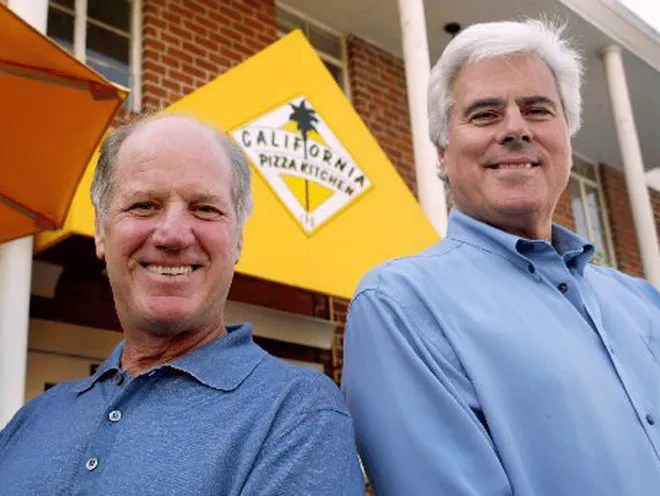
This excerpt is from Rick Rosenfield’s new book, The California Pizza Kitchen Story: How Two Federal Prosecutors Changed the Way America Eats Pizza. Reprinted with permission from Amplify Publishing.