Donald Trump received unexpected backing from Germany and France after the U.S. president was shut off social media platforms including Twitter Inc. and Facebook Inc., extending Europe’s battle with big tech.
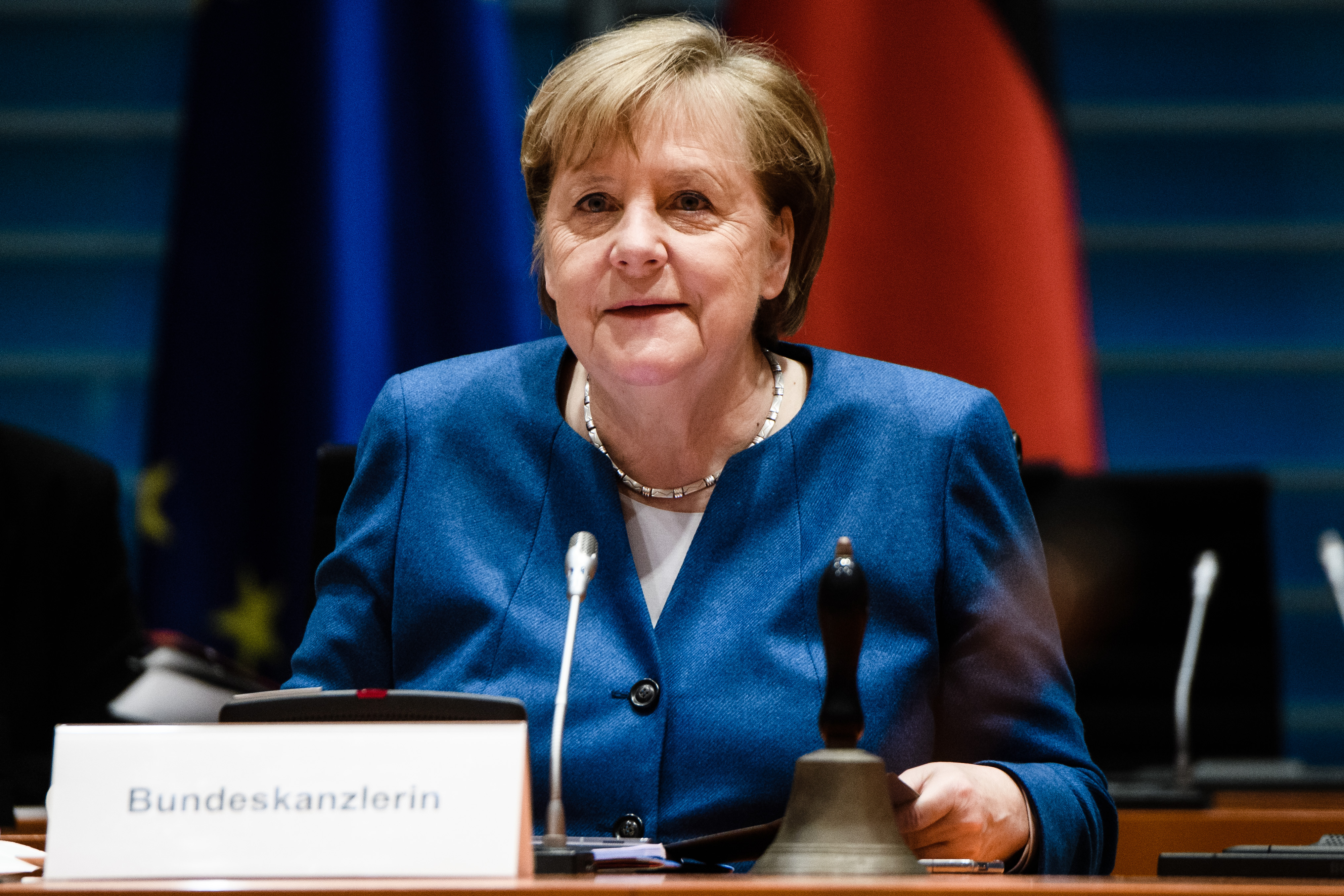
German Chancellor Angela Merkel objected to the decisions, saying on Monday that lawmakers should set the rules governing free speech and not private tech companies.
“The chancellor sees the complete closing down of the account of an elected president as problematic,” Steffen Seibert, her chief spokesman, said at a regular news conference in Berlin. Rights like the freedom of speech “can be interfered with, but by law and within the framework defined by the legislature — not according to a corporate decision.”
The German leader’s stance was echoed by French Finance Minister Bruno Le Maire, who said that the state and not “the digital oligarchy” is responsible for regulations, calling big tech “one of the threats” to democracy.
Europe is increasingly pushing back against the growing influence of big technology companies. The European Union is currently in the process of setting up regulation that could give the bloc power to split up platforms if they don’t comply with rules.
Twitter permanently banned Trump last week after it decided the outgoing president’s tweets breached its rules against gloriyfing violence. It cited his posts on the riots in the U.S. capital.
The move followed similar action by Facebook. Founder and Chief Executive Officer Mark Zuckerberg said Trump’s most recent posts showed he intended to use his remaining time in office to undermine a peaceful and lawful transition of power.
Big tech companies have come under pressure from lawmakers, civil rights advocates and their own workers to do more to moderate content that could lead to violence or illegal activity.
They long avoided such debates by claiming to be content-neutral. But in the aftermath of the storming of the Capitol, it has become increasingly clear just how much power and responsibility they have over public debate.