Subscribe to Outbreak, a daily roundup of stories on the coronavirus pandemic and its impact on global business, delivered free to your inbox.
The scientist behind Sweden’s controversial Covid-19 strategy said he’s willing to reconsider using face masks, after previously seeing little benefit in them.
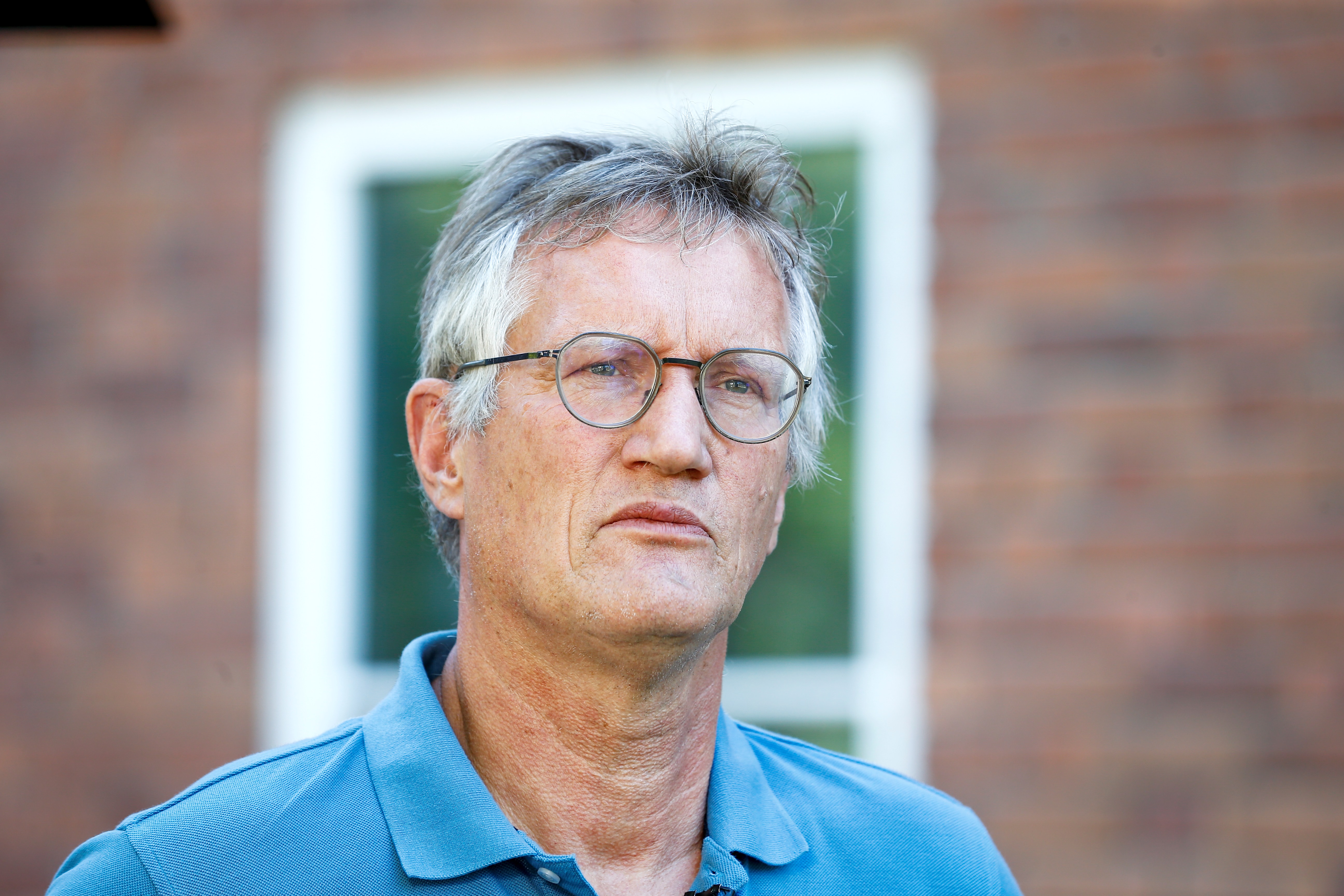
Anders Tegnell, Sweden’s state epidemiologist and the architect of its hands-off response to the coronavirus pandemic, said there are situations in which it might be advisable for people to cover their mouths and noses.
Face masks are “possibly” to be recommended for people using public transport, Tegnell said in an interview with Dagens Industri on Thursday. “We need to think about that more.” But masks “definitely won’t become an optimal solution in any way,” he said.
Tegnell has so far argued against the World Health Organization’s recommendation to use face masks when social distancing is hard to do, with the justification that there’s “very little scientific evidence” that they work. Instead, Tegnell has warned that masks may give infected people a false sense of security and even encourage the kind of hand-to-face contact that can spread the disease.
The WHO updated its stance on masks earlier this month, encouraging people to wear them when social distancing isn’t an option.
The Swedish Way
The Swedish epidemiologist has repeatedly made international headlines since advising against a full lockdown. He’s subsequently admitted that more restrictions might have been necessary, but refused to abandon his strategy. Meanwhile, Sweden has one of the world’s highest Covid mortality rates.
On Wednesday, Tegnell once again spoke out against severe lockdowns as an appropriate response to the virus. In a podcast on Swedish radio, he said he felt the “world had gone mad” in imposing such severe restrictions, despite the societal costs.
Instead of shuttering schools, shops and restaurants, Sweden left pretty much everything open. Citizens were encouraged to observe social distancing guidelines, but the strategy assumed Swedes would voluntarily alter their behavior without the need for laws.
Tegnell’s underlying argument is that Covid-19 isn’t going away any time soon, meaning sudden, severe lockdowns will ultimately prove ineffective in addressing the longer-term threat. What’s more, traffic data now show Swedes travel a lot less than their Nordic peers. That means Swedes may be less exposed to the virus than people living in places where strict lockdowns have been eased, he said.
“When comparing how sustainable various measures are, this is a good example,” Tegnell said.
In his comments to Dagens Industri, Tegnell said Swedes should continue to observe social distancing guidelines, such as working from home if possible, and avoiding public transport.
“I think we will have to keep living a little differently for a good while,” he said.