I was well into adulthood before I realized that they’d “freed the slaves” but never told most of them.
President Abraham Lincoln issued the Emancipation Proclamation on September 22, 1862, but it wasn’t until June 19, 1865 that General Gordon Granger arrived in Galveston, Texas, and officially freed America’s last enslaved people.
There is no official explanation for why it took so long for the “good news” to spread.
Now, June 19th has become Juneteenth, an official holiday only in Texas and Oklahoma, but has aspirations to be so much more. I hope you take some time to celebrate.
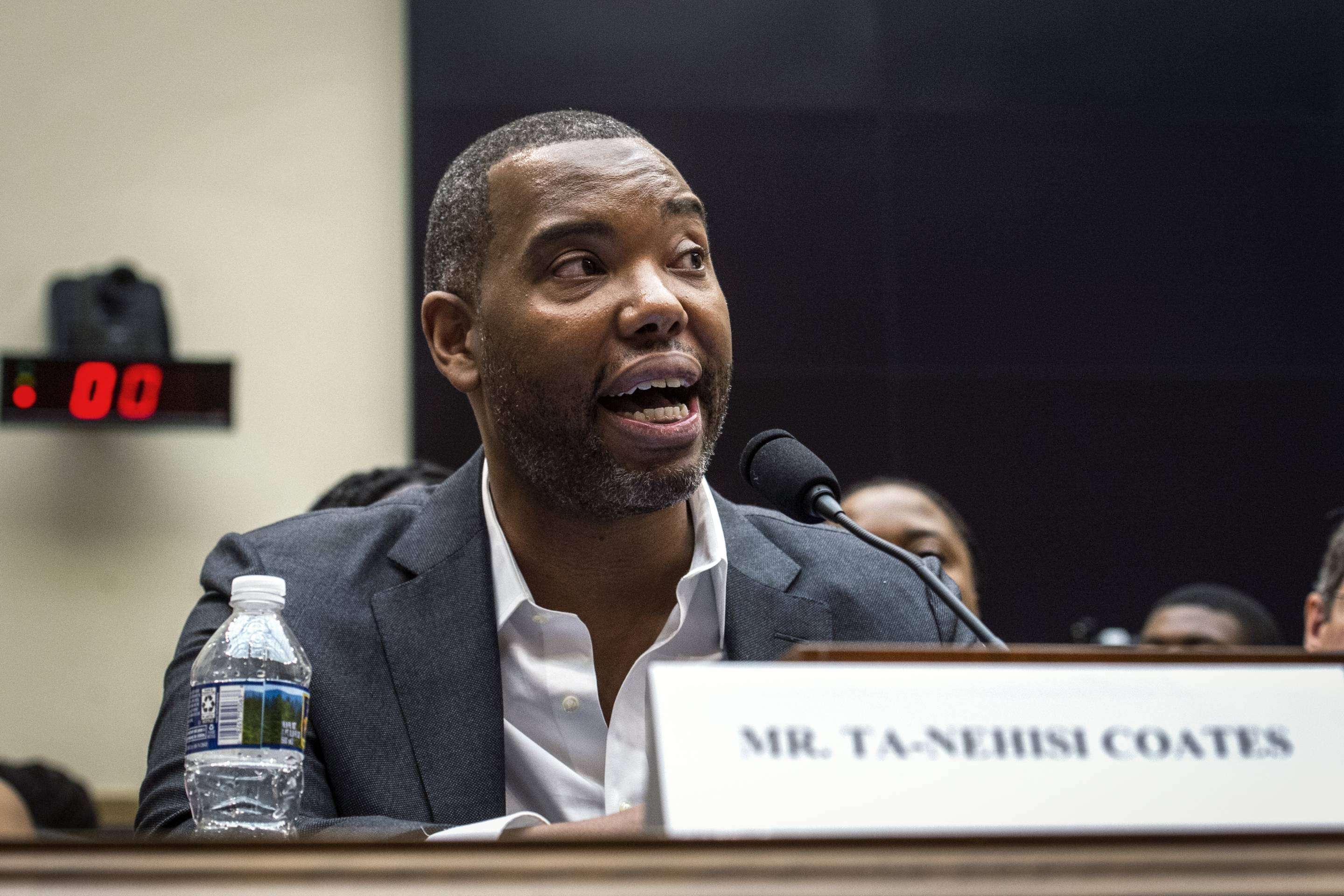
So, I feel some kind of way that on this most complicated and poignant holiday, the House Judiciary Committee held a hearing on the subject of reparations for black Americans. It’s hard not to see this as a moment. It’s the first serious discussion of the subject in more than a decade, a nod to the growing drumbeat of talking points from the current presidential candidates, and their increasing willingness to coherently address poverty, white supremacy, and the persistent racial discrepancies in health and wealth in public forums.
“Black voters are really hungry for candidates who will put forward concrete plans for [all] these issues,” Akunna Cook, a founding director of the Black Economic Alliance, told Reuters after a forum with four of the Democratic hopefuls last weekend. “We wanted to make sure we were able to help mold and shape the conversation.”
The history is inescapable. Writing in The Atlantic, Vann R. Newkirk II does a beautiful job breaking down the importance of today, even if it doesn’t go well:
The hearing marks a return to the early black-American celebrations and jubilees, which were staged even as formerly enslaved people beseeched the Freedmen’s Bureau or the Union Army for land. And that’s for good reason. Juneteenth has always had a contradiction at its core: It is a second Independence Day braided together with reminders of ongoing oppression. Its spread from Texas to the rest of the United States accelerated in the wake of the assassination of Martin Luther King Jr., as a sort of home-going for King and other victims of white-supremacist violence, fusing sorrow and jubilation.
The hearing marks a return to the early black-American celebrations and jubilees, which were staged even as formerly enslaved people beseeched the Freedmen’s Bureau or the Union Army for land. And that’s for good reason. Juneteenth has always had a contradiction at its core: It is a second Independence Day braided together with reminders of ongoing oppression. Its spread from Texas to the rest of the United States accelerated in the wake of the assassination of Martin Luther King Jr., as a sort of home-going for King and other victims of white-supremacist violence, fusing sorrow and jubilation.
Ta-Nehisi Coates, author of longform masterpiece “The Case for Reparations,” is having a moment, too. He testified today, along with actor and activist Danny Glover, and a host of other experts.
Here’s the opener to Coates’s original treatise, which said it all before he took his seat: “Two hundred fifty years of slavery. Ninety years of Jim Crow. Sixty years of separate but equal. Thirty-five years of racist housing policy. Until we reckon with our compounding moral debts, America will never be whole.”
You can read his entire testimony here.
That said, this holiday will be a bumpy ride for justice fans. Reparations-talk brings out the worst in some people, and the ignorant in others. For others, like Senator Mitch McConnell, it just brings out the McConnell.
“I don’t think reparations for something that happened 150 years ago for whom none us currently living are responsible is a good idea,” he said yesterday. And then, after some yadda yadda, he crossed it off the list entirely with this: After all, “We elected an African-American president.”
We did indeed.
The Committee’s stated goal is to “examine, through open and constructive discourse, the legacy of the Trans-Atlantic Slave Trade, its continuing impact on the community, and the path to restorative justice.” It sounds like the history lesson we all need and deserve. May the conversation continue.
I look back on those lost years of not knowing about Juneteenth with an acid-tinged embarrassment; as if by missing the fine print of history I became complicit in the continued betrayal.
I hope I’ve made up for lost time.
Happy Freedom Day. I am grateful for all of you.
On Point
On Background
Tamara El-Waylly helps produce raceAhead and assisted in the preparation of today's summaries.