Taking a stand is risky.
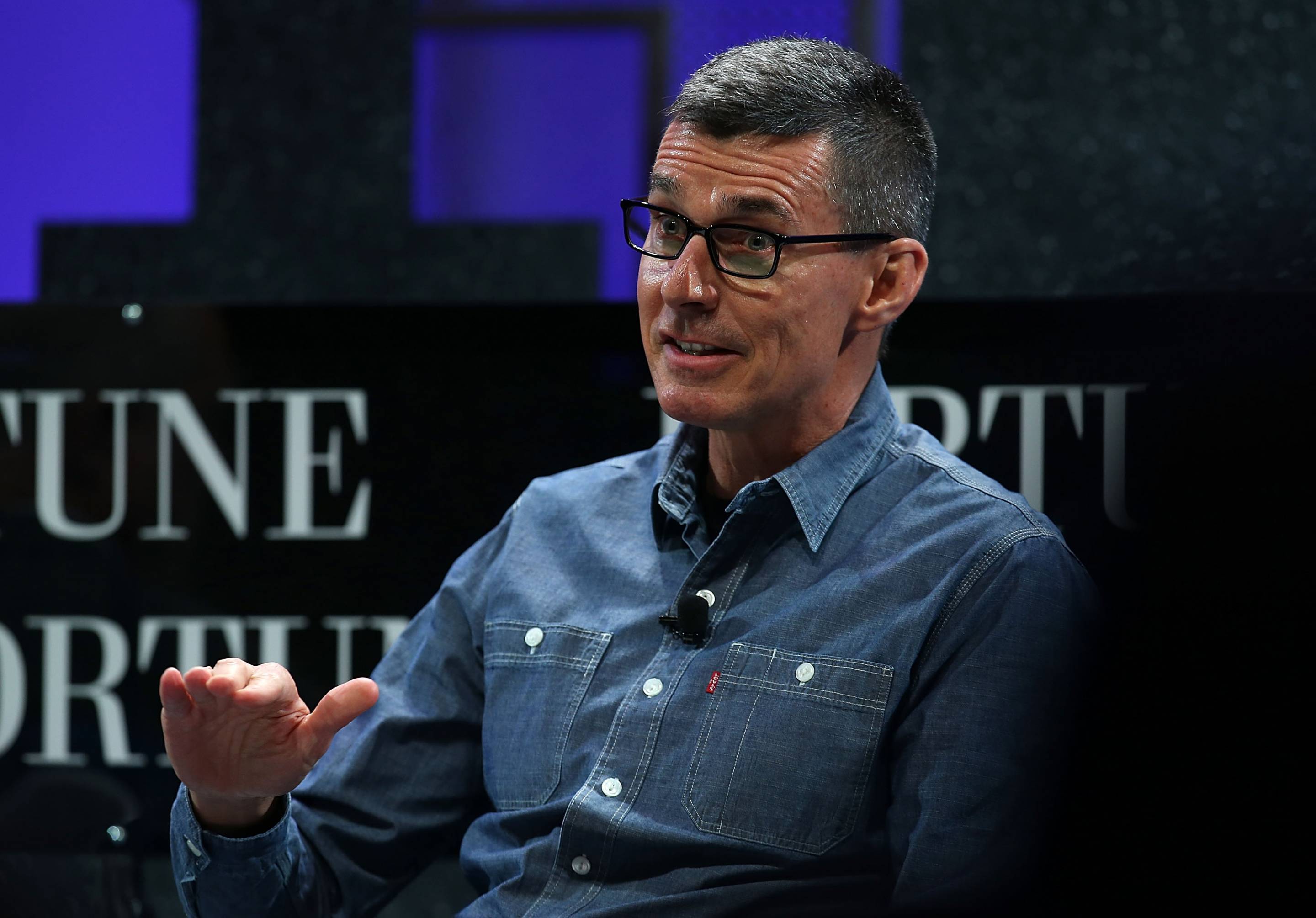
Consider this extraordinary op-ed (yes, opinion pieces are all the rage now) written by Levi Strauss CEO Chip Bergh and shared exclusively with Fortune. Bergh is putting the company’s money and reputation on the line to end gun violence, and he’s calling for other CEOs to join him. I encourage you to read and amplify it.
He begins with the backlash he experienced in 2016 when he asked customers not to bring guns into their stores or facilities after a customer injured himself when his gun discharged while trying on a pair of jeans. “In the days after I published that letter, I received threats to our stores, our business, and even on my life,” he says, unsettling, but nothing compared with what survivors of mass shootings live with on a daily basis. To that end, he’s made a decision to do more. “We can’t take on every issue,” he says. “But as business leaders with power in the public and political arenas, we simply cannot stand by silently when it comes to the issues that threaten the very fabric of the communities where we live and work.”
Nike took a similarly controversial stand this week when it released a two-minute ad starring unemployed quarterback Colin Kaepernick. The “Dream Crazy” video is part of a broader merchandise partnership with the activist athlete, which makes him the face of the 30th anniversary of Nike’s famous “Just Do It” campaign. If the gear sells well, it will put Kaepernick back in the game, albeit still off the gridiron. The company will also donate to Kaepernick’s “Know Your Rights” campaign, aimed at supporting youth of color.
The ad first drew shrugs from President Trump, Kaepernick’s most vocal hater, then jeers. “Just like the NFL, whose ratings have gone WAY DOWN, Nike is getting absolutely killed with anger and boycotts,” he tweeted. “As far as the NFL is concerned, I just find it hard to watch, and always will, until they stand for the FLAG!”
Some former Nike customers have also decried the decision, launching a #boycottNike hashtag and tweeting pictures of themselves shredding their logo’d gear or burning their sneakers. The company’s share price tumbled some 3.2% before working its way back.
Ford, a sponsor of the NFL, has also weighed in on the ongoing player protests. “We respect individuals’ rights to express their views, even if they are not ones we share,” the company said this week.“That’s part of what makes America great.”
I do not expect to see any F-150s set ablaze.
But regardless of the spectacles that follow displays of corporate courage—or your personal willingness to forego football, jeans, sneakers or trucks—it’s important to note how seriously employees and customers view public displays of corporate values.
The latest Social Media and Leadership survey from BRANDfog, a consulting firm that measures the digital reputations of CEOs, and McPherson Strategies confirms what followers of Fortune’s CEO Initiative already know: Leaders need to lead authentically and out loud.
Some 93% of respondents agreed with the statement, “When CEOs issue statements about the key social issues of our time and I agree with the sentiment, I am more likely to make a purchase from that company.” But, it’s risky. Some 84% said that if the CEO issues a statement that they do not agree with, they are less likely to buy from them. But most seem to concede the bigger point—86% of people agreed that CEOs who publicly defend the rights of others on social media are seen as great leaders.
“Believe in something. Even if it means sacrificing everything,” says Colin Kaepernick in the “Dream Crazy” ad voiceover.
Levi Strauss is one of a growing number of brands who are continuing to accept these risks.
They’ve established the Safer Tomorrow Fund, which will direct more than $1 million in grants to youth activists and non-profits working to end gun violence, and are working with former New York City mayor Michael Bloomberg to form Everytown Business Leaders for Gun Safety. Bergh calls it “a coalition of business leaders who believe, as we do, that business has a critical role to play in and a moral obligation to do something about the gun violence epidemic in this country.”
While these are hopeful moments in dark times, I know the work behind the scenes is real. But, as Bergh says, “While taking a stand can be unpopular with some, doing nothing is no longer an option.”