June 19th is Juneteenth or Freedom Day, an annual holiday which commemorates the abolition of slavery in 1865, first in Texas, then across the Confederate South to the surprising number of places where slavery still existed after the Emancipation Proclamation.
My colleague, Renae Reints, says it’s America’s second, and more factual Independence Day, and she’s right. Forty-five states and the District of Columbia have legislation officially recognizing Juneteenth as a state holiday, so I hope you find a way to mark the moment.
Most celebrations tend to be local affairs, but Juneteenth-inspired menus typically pop up in restaurants and corporate kitchens around the country. And that’s where things can get interesting. But for Michael Twitty, culinary historian, chef, TED fellow, and writer, it’s rarely interesting enough. Who gets to decide what’s black food and what isn’t is a complex bit of business. (Remember when Whole Foods tried to cook collards?) “People are trying to be sensitive by serving “classic” soul food dishes,” he says. “But we can do better than fried chicken.”
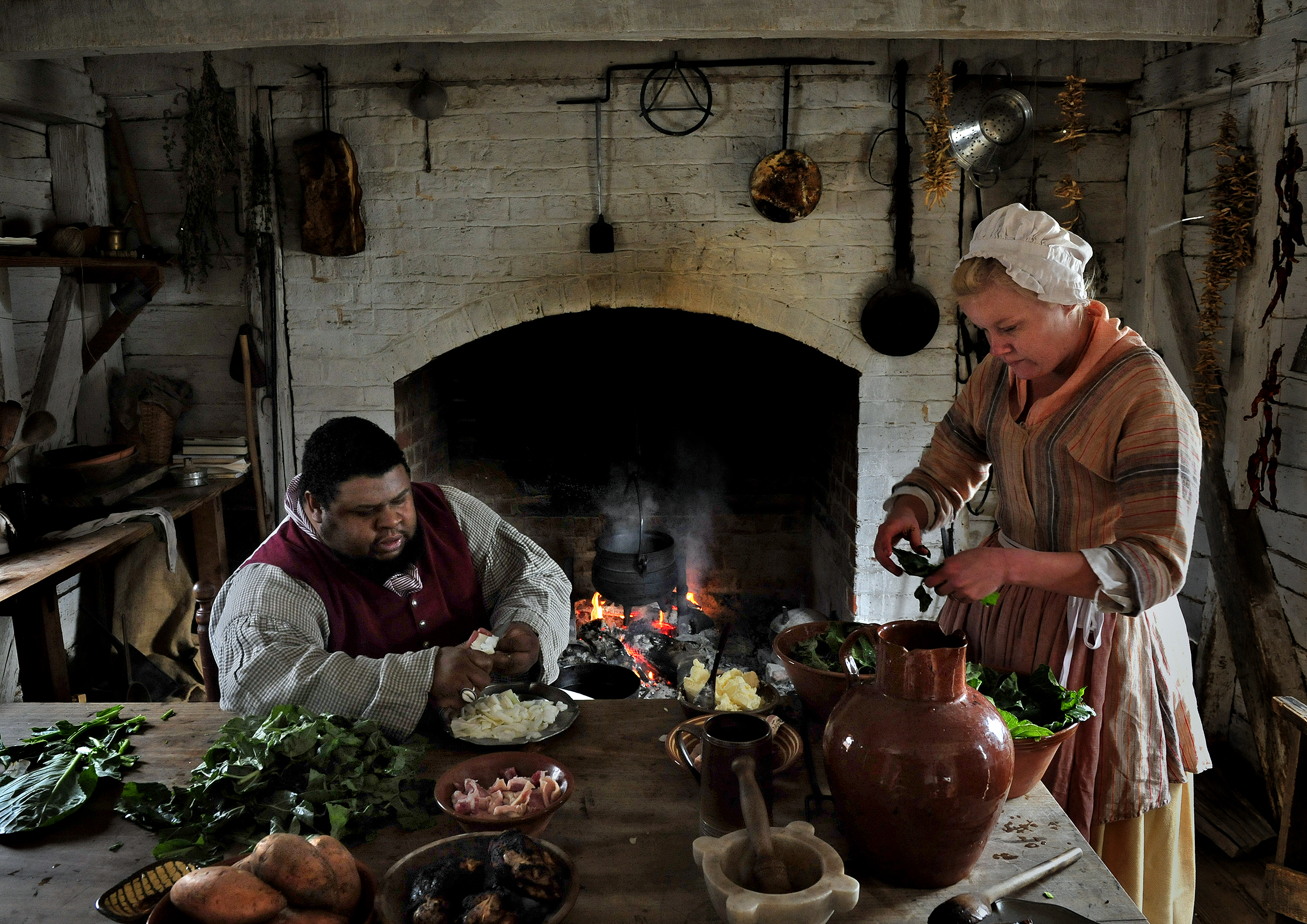
In service of his fascinating quest, Twitty has become a full-time explorer. He travels to historical sites—including plantations—recreating southern antebellum kitchens, wearing 19th-century clothes, and serving historically accurate meals that could have been prepared by enslaved cooks. He cheekily calls it the Southern Discomfort Tour. And his most recent award-winning book, The Cooking Gene, is an attempt to use serogenetics, which identifies genetic traits through the study of proteins in blood serum, to find genetic relatives to chart their collective history over time through food, and culture. “Forty percent of African Americans today had a relative who was sold through Charleston,” he says. “It’s all complicated.”
So, it’s no surprise that the complexity of history gets played out, in sometimes troubling ways, in modern industrial kitchens. “Who are the people preparing the food?” he asks. “What I know from my own travels is that the people who are working in the kitchens of the restaurants, corporations, schools and other big institutions are rarely the ones who are eating well.”
And Latinx and the other new immigrants who increasingly populate these kitchens, are losing access to their heritage and culinary traditions as they are forced to rely on cheaper, more convenient American fast food. “This is something we’ve become used to.”
The solutions must live beyond a holiday, he says. “Are we sourcing foods from ethnic communities or even giving them chances to bid on business?” he asks. Even small or seasonal mandates for local sourcing can make a difference to local economies and corporate cultures.
Next, big players can and should work with people who are doing interesting things with traditional food, and not just the white, celebrity chefs who currently dominate southern foodie culture. (He’s called out both Paula Deen and Charleston’s Sean Brock in spectacular ways.) “If I had pink skin, a beard, tattoo, and a beanie, I’d be rich,” he snorts.
But mostly he wants Americans to bond around good, true food.
Click here for two special Juneteenth recipes from Michael to raceAhead readers. Happy Freedom Day!
This column is an updated version of my Juneteenth column from 2016.