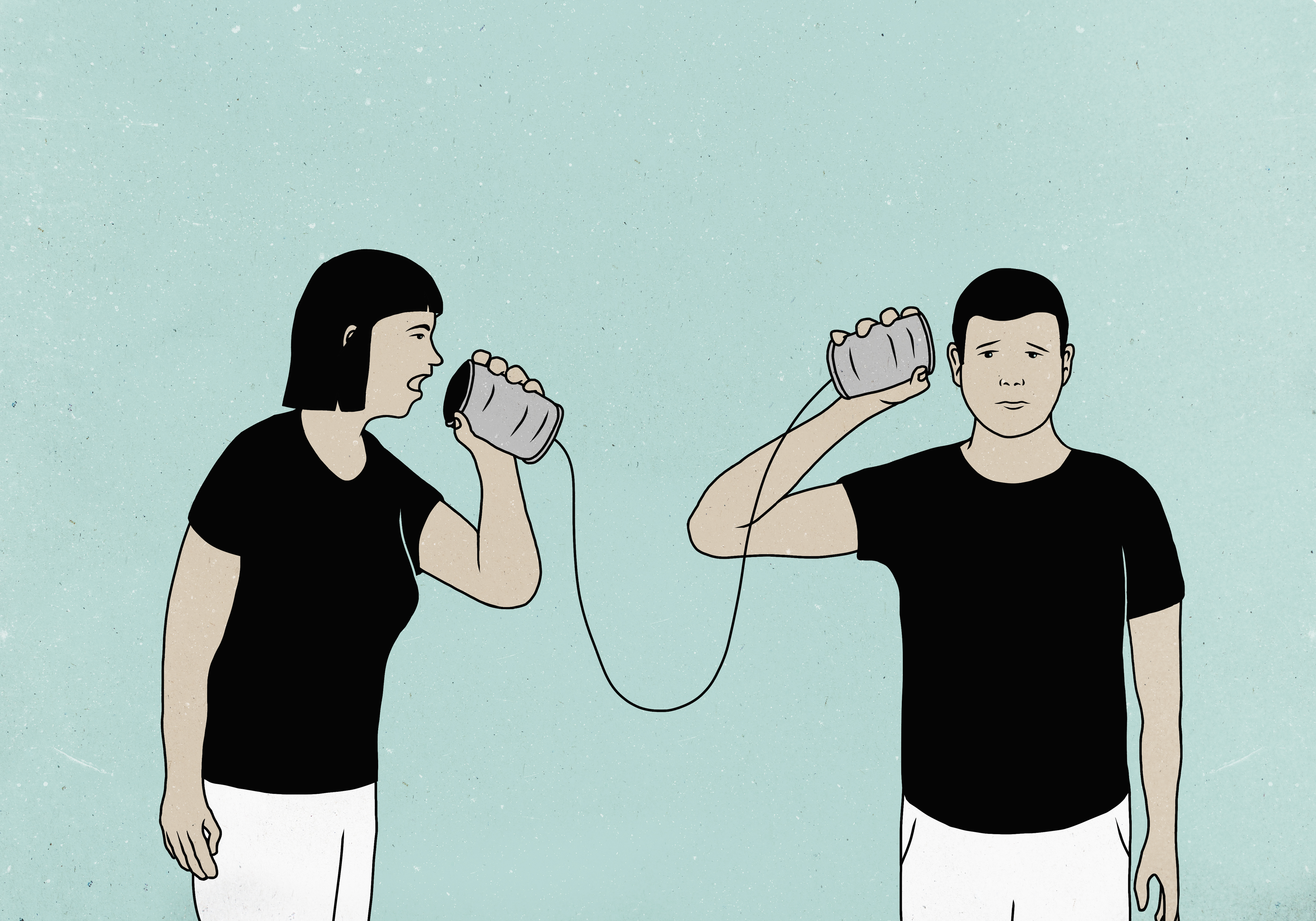
It’s becoming clearer and clearer that one of the secrets to effective culture change is mastering the fine art of conversation – particularly the difficult ones.
For inspiration, I’d like to introduce you to Dylan Marron, who recently dazzled the crowd with his message at the TED conference in Vancouver.
Marron is an extraordinary digital creator, who has racked up millions of views on his quest to build a more inclusive world. His series tend to be both theatrical and topical, like “Every Single Word, in which he edits down popular films to only those words spoken by people of color. (Lord of the Rings is only 46 seconds long, and Juno isn’t much longer.)
I also like his Unboxing series, where instead of unboxing tech products, he tackles cultural issues like Islamophobia, ableism, and rape culture. (They’re way more fun than I just made them sound.)
But while Marron manages to walk the fine line of being funny, informative and respectful, his experience online is often filled with hate and abuse. This is the subject of his TED talk, “How I turn negative online comments into positive offline conversations.”
He began by sharing examples of the nasty comments he regularly receives, much of which is focused on his homosexuality, and even managed to get the audience to laugh along with him.
It’s fun to talk about these messages now. Right? And it’s cathartic to laugh at them. But I can tell you that it really does not feel good to receive them. At first, I would screenshot their comments and make fun of their typos, but this soon felt elitist and ultimately unhelpful. So over time, I developed an unexpected coping mechanism.
It’s fun to talk about these messages now. Right? And it’s cathartic to laugh at them. But I can tell you that it really does not feel good to receive them. At first, I would screenshot their comments and make fun of their typos, but this soon felt elitist and ultimately unhelpful. So over time, I developed an unexpected coping mechanism.
What follows is a master class in having extremely difficult conversations.
In a fit of curiosity and after careful research, Marron began to reach out to some of his online abusers, and even speak with them on the phone. And sometimes, the conversations really changed things.
Like this interaction with a “hater” named Doug. “[When] I said you were a ‘talentless hack,’ I had never conversed with you in my life, really. I didn’t really know anything really about you. And I think that a lot of times, that’s what the comment sections really are, it’s really a way to get your anger at the world out on random profiles of strangers, pretty much.”
Marron’s message is simple. “I thought that the real way to bring about change was to shut down opposing viewpoints through epically worded video essays and comments and posts,” but that only reaches the people who already agree with you, he says. “Sometimes, the most subversive thing you can do was to actually speak with the people you disagreed with, and not simply at them.”