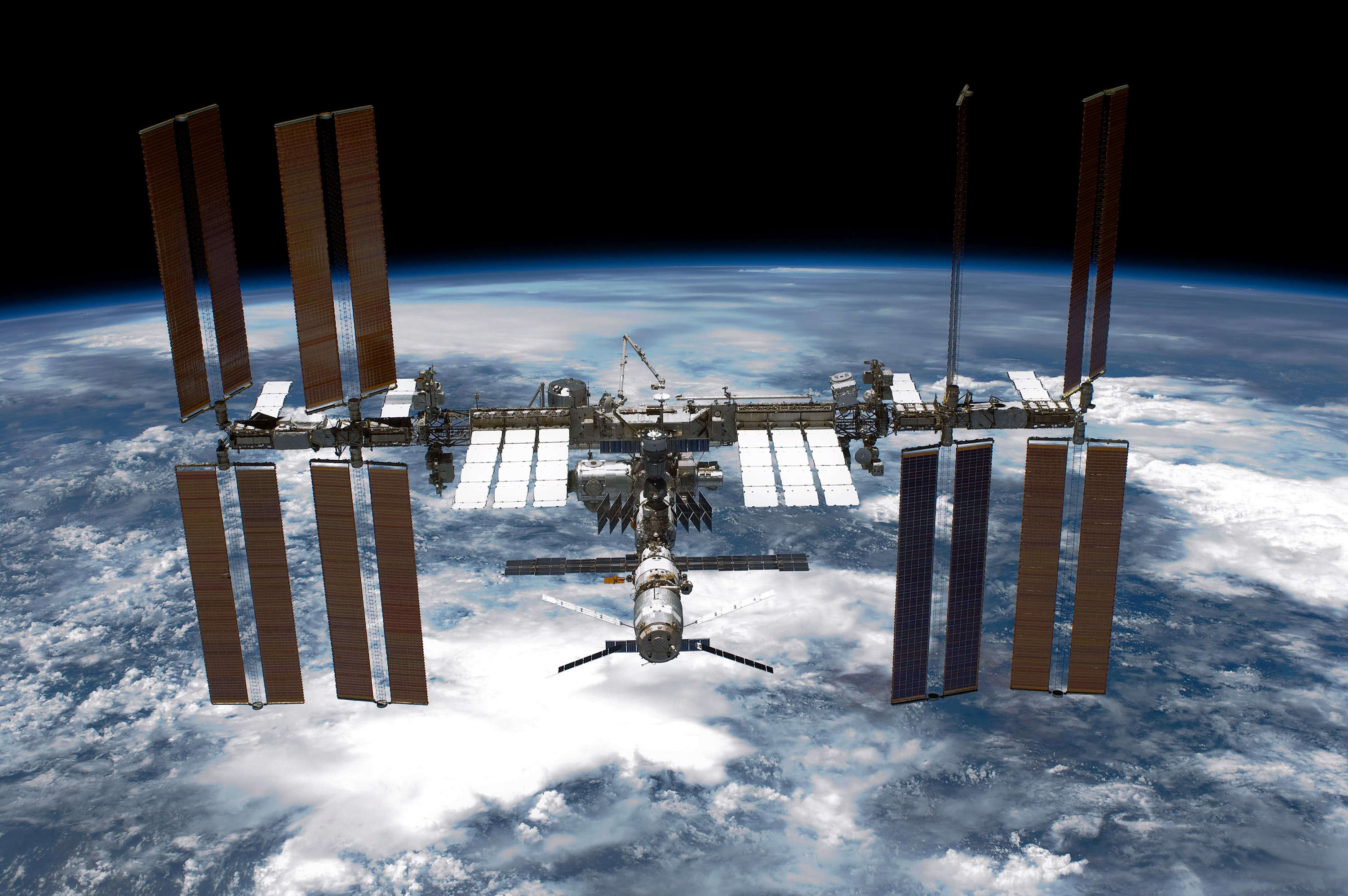
Rather than dismantle the International Space Station (ISS) come 2024, President Donald Trump’s administration is reportedly looking into privatizing the venture.
The administration is seeking to pull federal funding for the ISS in 2025—making way for commercial players to put the station to use. That’s according to an internal NASA memo obtained by the Washington Post.
“NASA will expand international and commercial partnerships over the next seven years in order to ensure continued human access to and presence in low Earth orbit,” the note read.
The U.S. has spent some $100 billion building and maintaining its portion of the station thus far. But in recent years, NASA has been outsourcing more of its projects to commercial firms including Boeing and SpaceX. Boeing, for example, is expected to launch a crew to the space station this year using the CST-100 Starliner.
But if the U.S. does indeed pull federal funding from the ISS and seek commercial firms to fill in the blanks, it does stand to question: which companies would want to be involved? The ISS, after all, has largely been used for research purposes.
The plan also won’t be a straightforward matter. Russia, Canada, Japan, and the U.S. together launched the International Space Station in November 1998, so the other countries may have a say in what happens to it.