This article first appeared in Data Sheet, Fortune’s daily newsletter on the top tech news. Sign up here.
Maybe it’s because I have vacation on the brain that I keep coming back to the topic that everything old is new again. NOTHING will replace the good old-fashioned resting I plan to do for the next two weeks.
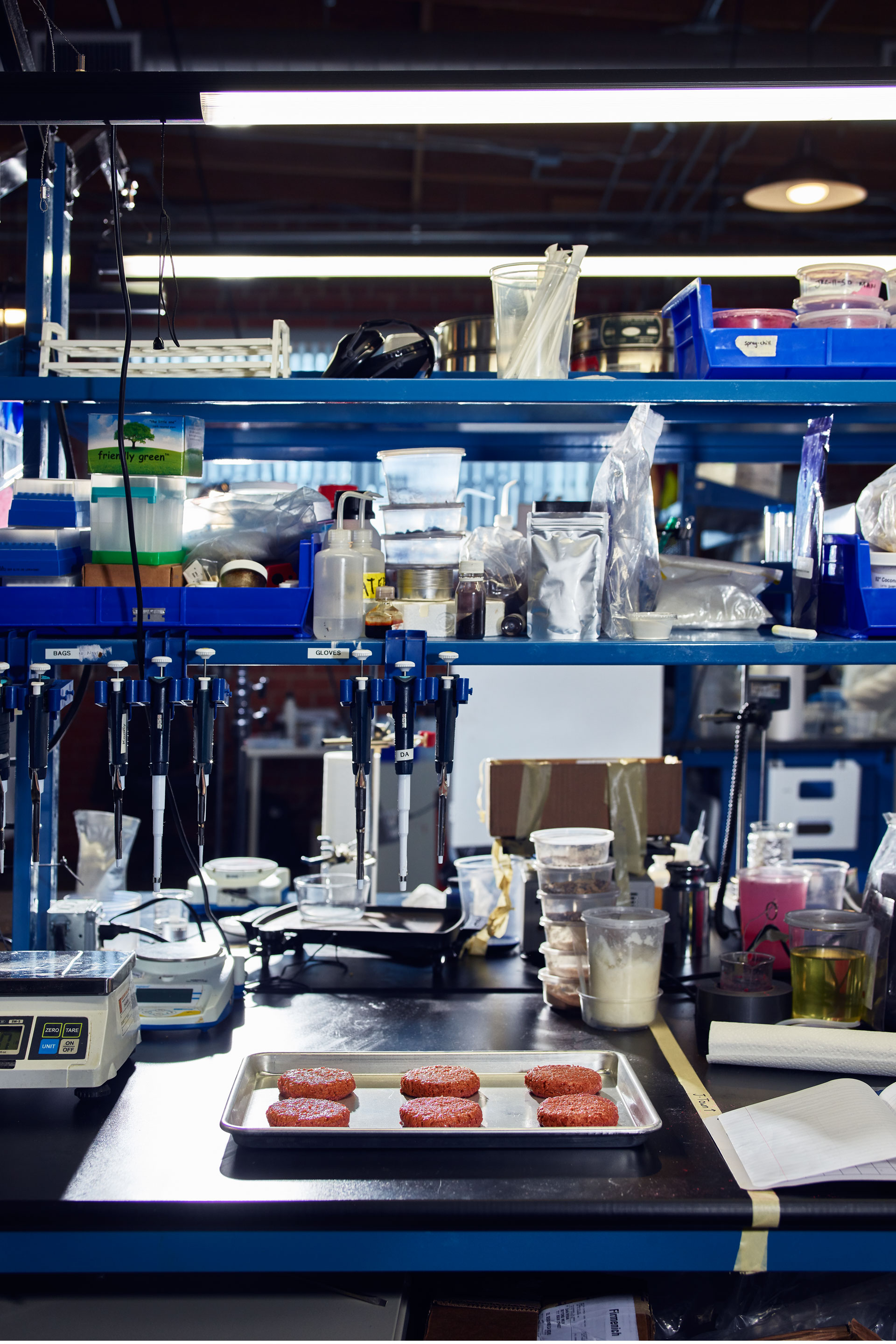
So let me draw your attention for a moment to a wonderful piece of journalism from the last issue of Fortune about a reinvention of an old idea: fake meat. Fortune’s Beth Kowitt, one the country’s finest commerce-of-the-culinary writers, dove deep into the technology industry’s ultra-expensive quest to replace the kinds of food that once belonged to a breathing animal’s body with “meat” either grown in a lab or smooshed together from plants.
That this is a big deal isn’t necessarily about ethics. Emissions from livestock, Kowitt reports, are responsible for 14.5% of global greenhouse gases. Moreover, she elegantly writes, “animals .. are lousy tools for converting matter into muscle tissue. Cows require a whopping 26 pounds of feed for every one pound of edible meat produced. In a culture obsessed with high performance”—she’s referring here to Silicon Valley—“that is maddeningly wasteful.”
There’s a fundamental problem with each of the approaches technologists are pursuing. The petri-dish technique hasn’t worked yet, and “meats” made from plants inevitably taste like plants. The article has far more detail about the people and companies pursuing this unlikely dream. It’s a delicious tale. (I couldn’t resist.)
Have you wondered about all the consolidation in the semiconductor industry of late? Aaron has. See the nifty chart he and Fortune graphics editor Nicolas Rapp created to illustrate it.
***
Finally, some old things don’t become new. They just die. I originally missed the news that Comcast (CMCSA) is shutting Plaxo, which had a brief moment several cycles ago at being the contact-management system of the future. The future doesn’t always arrive.