People of a certain age (and certain hue) look back on old high school yearbook pictures with mixed feelings. Chances are, the more melanin you have, the less likely you would show up as anything more attractive than a smudge, a muddy smirk — or worse, a lurking presence — as you hovered in the back row of the chess club photo.
Part of the problem is that racism was built into film processing. Until the 1990s, professional film developers compared the skin tones in photographs against a universal guide known as “Shirley cards” which helped them figure out the right mix of chemicals to process a photo properly.
The Shirleys were always white and demure.
“The consumer market that was designated in the design of film chemistry was that of a lighter skinned market,” explains Lorna Roth, a professor at Concordia University in Montreal, in this video produced by Vox. “So, when defining what an idealized skin tone would be, it turned out to be lighter skin.” It made black skin look terrible.
Ultimately Kodak, the primary supplier of film, did change its product after a public outcry — from companies trying to photograph wood furniture or chocolate.
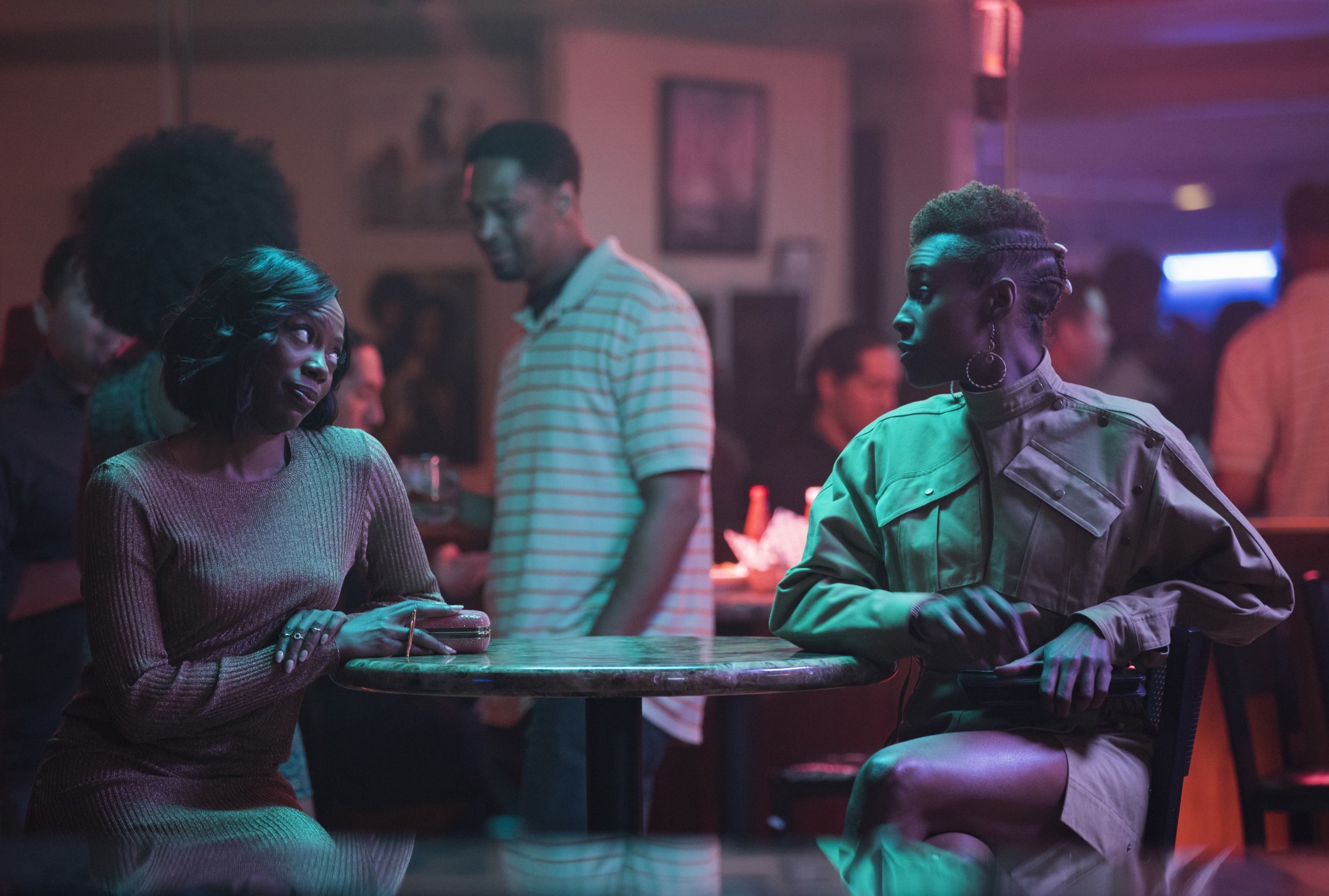
This terrible history is one of the things that makes the success of Insecure, the transcendent show from HBO created by Issa Rae, so extraordinary.
The characters, who are a variety of darker hues and who are shown in a variety of settings, are absolutely gorgeous. But it’s not just that they are more beautiful than you and me, it’s that they finally look as beautiful as they are. And that has important implications for how we understand the humanity of others.
Ava Berkofsky, Insecure’s director of photography, has managed to solve the once intractable problem. “When I was in film school, no one ever talked about lighting nonwhite people,” Berkofsky said in this essential piece from Mic. “There are all these general rules about lighting people of color, like throw green light or amber light at them. It’s weird.”
But another Ava, DuVernay, has also been a big part of why the Shirleys are being retired for good.
“I don’t appreciate seeing black folks that are unlit,” she told Buzzfeed. Lighting to white characters means that black ones are shadowed. And unless black people can appear everywhere in a story, they’re not fully there. She says the lighting in her second film, Middle of Nowhere was “a deliberate decision to find the beauty of black people in dark spaces.” A light went on: The film won awards at Sundance in 2012.
Click here for the full story. You won’t believe your eyes.