This essay originally appeared in Data Sheet, Fortune’s daily tech newsletter. Sign up here.
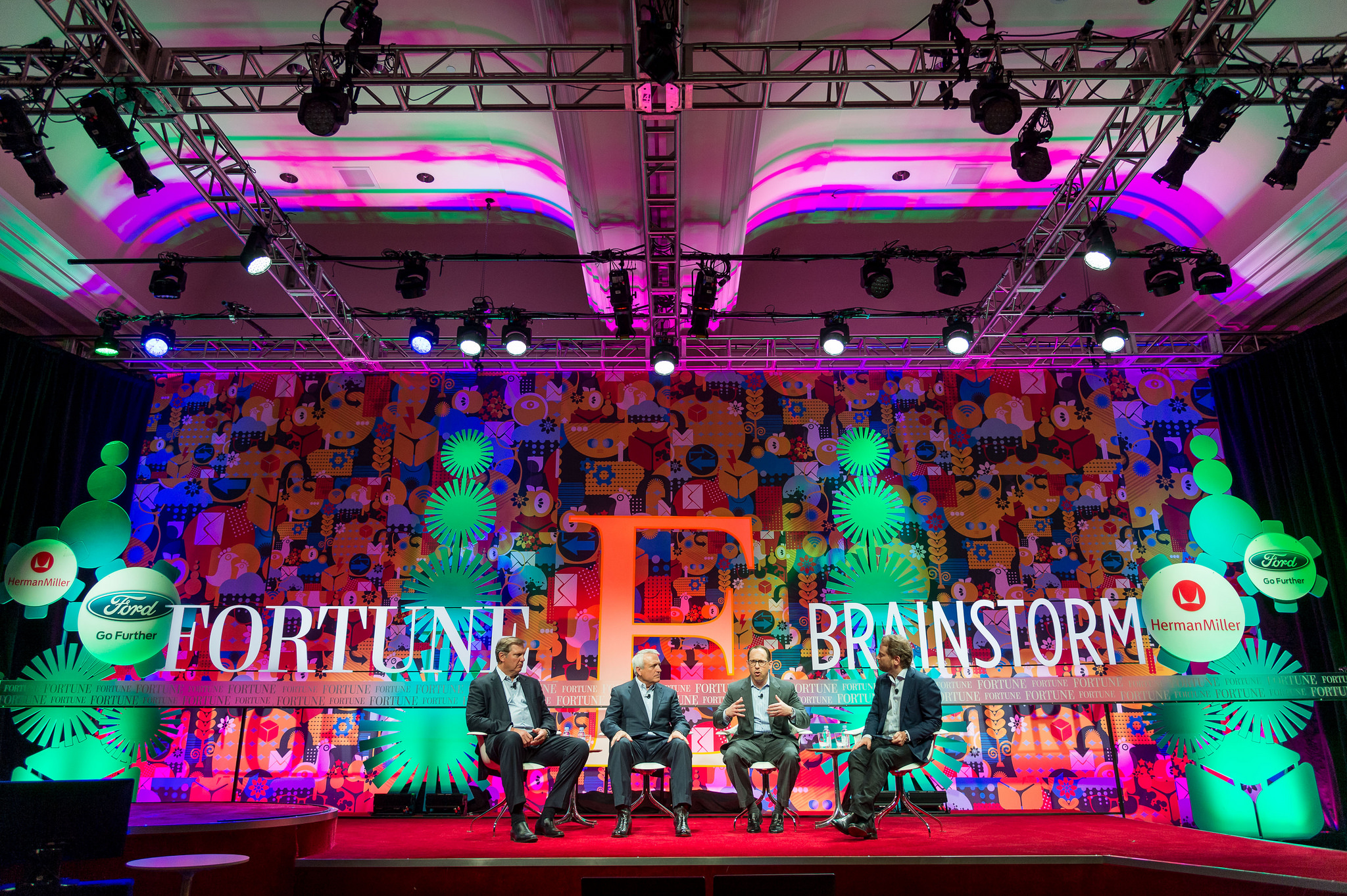
I just left Carlsbad, Calif., where I’ve spent the last two days participating in Fortune Brainstorm E, our annual conference on energy, technology, and sustainability.
The two-day event delved into the carbon challenge in the developing world, the future of the auto industry, and new investment models for cleantech ventures. On the latter point, investors speaking at a breakfast session at the conference discussed the merits of “cleantech” as a category. Is it a misnomer? Is the word tainted by the previous generation of startups in the sector, many of which are no longer around?
“I don’t like ‘cleantech’ as a term,” said Peter Davidson, CEO of Aligned Intermediary, an investment advisory group. “When people think of clean energy investing they all think, ‘oh, we did cleantech 10 years ago and we all lost money.’”
Indeed, lots of investors lost their shirt several years ago, after pouring billions of dollars into companies that primarily focused on renewable energy. (Remember Solyndra?) So the association with cleantech investing isn’t a particularly good one. What’s more, today’s slew of companies that potentially fall under the category are much broader and more diverse than their predecessors. Some of the “cleantech” startups featured at Brainstorm E, for example, are focused on air quality sensors (Aclima) and urban gardening (Grove).
“The mix of companies we’re looking at in the last few years has shifted substantially,” Brook Porter, a partner in Kleiner Perkins Caufield & Byers’ Green Growth Fund, said during the same session, led by my colleague Dan Primack.
I’m not sure if calling “cleantech” by another name would improve the returns in the sector. And many of the investors at the session mentioned the need for an exit window for this category of companies. But there’s something to be said for rebranding.
Our own conference, Brainstorm E, got its start years ago as Brainstorm GREEN. This was my first time participating, so I can’t make a comparison with previous years. But I can tell you that the energy (no pun intended) and passion during the sessions I attended was palpable.
Meet the winner of Brainstorm E’s Cool Companies competition:
Now as for the kale salad I ate at the conference’s lunch buffet—which, as you can imagine, served a range of health-conscious concoctions—well, let’s just say that kale by any other name would still make me cringe.