• Home
  • Latest
  • Fortune 500
  • Finance
  • Tech
  • Leadership
  • Lifestyle
  • Rankings
  • Multimedia

Trendingnow

1

Shark Tank's Kevin O'Leary says if he were 25 today, he'd chase these two booming opportunities in the world of AI

2

Even as Elon Musk calls philanthropy ‘very hard,’ everyday Americans gave a record $617 billion—despite feeling the squeeze over the cost of living

3

Ex-PepsiCo CEO Indra Nooyi worked from midnight until 5 a.m. as a receptionist to pay for her Yale degree—and she says ‘respect went up’ because of it

1

Shark Tank's Kevin O'Leary says if he were 25 today, he'd chase these two booming opportunities in the world of AI

2

Even as Elon Musk calls philanthropy ‘very hard,’ everyday Americans gave a record $617 billion—despite feeling the squeeze over the cost of living

3

Ex-PepsiCo CEO Indra Nooyi worked from midnight until 5 a.m. as a receptionist to pay for her Yale degree—and she says ‘respect went up’ because of it
HealthDiabetes

Continuous glucose monitors are trendy wearables—but how useful are they? Here’s what experts say

By
Jenna Schnuer
Jenna Schnuer
Down Arrow Button Icon
By
Jenna Schnuer
Jenna Schnuer
Down Arrow Button Icon
February 24, 2023, 3:00 PM ET
For people without diabetes, making sense of CGM numbers can get tricky.
For people without diabetes, making sense of CGM numbers can get tricky.Mark Hatfield—Getty Images
Add Fortune on Google for similar content.

Tracking steps and sleep is so old school. The latest wellness tracking trend? Glucose. Videos talking up the use of continuous glucose monitors (aka CGMs) are all over TikTok, and ads for the latest health wearables are probably following you around online.

Recommended Video

Many people with diabetes (including Nick Jonas, who appeared in a Super Bowl ad for Dexcom’s CGM), more average Joes and Janes, and even elite athletes are shooting continuous glucose monitors into their arms in order to detail their levels throughout the day.

If you’ve seen a plastic circle on the upper back of a person’s arm, that’s a CGM. They’re the easiest way to track glucose. Blood sugar meters or glucometers require a small sample of blood to test—usually through a finger prick.

The hope is that CGMs will help people figure out the best foods to eat and the right order to eat them to encourage weight loss, increase energy, and make other health gains.

Understanding glucose levels

Blood glucose, which your body creates from food during the digestive process, provides energy. Insulin shuttles it through the blood system into cells, giving you the get-up-and-go to play tennis, hit the gym and, or get work done. Your body uses some immediately and leaves the rest in cells for use later.

Dr. Liz Applegate, distinguished senior lecturer and director of sports nutrition emerita at the University of California Davis, likens the body’s delivery system of blood glucose to the hallways of a multi-classroom kindergarten building. “Think of your body as a busy school. All your blood vessels are the hallways and the cells are the classrooms. Insulin is a hallway monitor and the students are blood glucose,” she says. “So when we have an influx of glucose students from what we’ve eaten, the insulin tells the glucose where to go. It knocks on the doors of the classrooms. If the cell receptor is working well, the door opens up and glucose goes in. That’s normally the situation.”

When it doesn’t work, that’s “hundreds of little kids running loose unsupervised and scribbling on the walls. That’s glucose damaging the epithelial lining of blood vessels” and creating health problems.

When blood glucose drops in diabetics, they become hypoglycemic and may start shaking, feel dizzy, become lethargic, or get very confused. Over time, uncontrolled diabetes can lead to heart or kidney disease and severe vision and auditory issues, as well as problems with the feet. So, yes, monitoring glucose is a must for this population—as well as for those with a family history of type 2 diabetes or other symptoms of pre-diabetes.

But for people who don’t have diabetes, blood sugar fluctuations aren’t usually dangerous. They’re, mostly, just part of everyday life as people eat (or skip meals), exercise, and drink alcohol.

“There are many many factors that impact it,” says Applegate. And blood glucose levels balance out as daily activity changes.

How continuous glucose monitors work

CGMS do not measure blood glucose levels. Instead, they measure levels of glucose in interstitial fluid, or the fluid surrounding your cells. Glucose usually flows from blood vessels into cells, so glucose levels in interstitial fluid often lag blood glucose levels a bit.

Most CGMs include a housing that contains a data transmitter and a minimally invasive filament sensor that’s shot under the skin. (Earlier versions—some of which are still on the market—used a needle instead of the filament.) The filament, which is coated in a glucose-sensing enzymes like glucose oxidase, wears out over time and must be replaced every seven to 14 days, depending on the brand. The housing is held in place with an adhesive on the back of the wearer’s arm. The data transmitter sends information collected through the filament to a monitor or an app on the user’s phone and, usually, whatever service the person is using to monitor their numbers. For diabetes patients, this can include a clinic or a doctor’s office.

For non-diabetes CGM users, the numbers are where things can get tricky. Blood sugar is a constantly shifting number, depending on what you eat and drink, sleep, exercise, stress, hormones, medications, time of day, and more. Diabetics know what to watch for but, for non-diabetics, the meaning behind the constantly shifting number can be confusing.

CGM technology

CGMs, whether for diabetics or people who are blood sugar curious, are not a cheap technology. Insurance or Medicare generally pay for a CGM for people with diabetes. But the technology is now also being produced for wellness-driven companies, rather than those sitting on the purely medical side of the glucose line.

Companies that offer CGMs to the general public—usually through direct to consumer sales—include NutriSense, Signos, and Veri. Their products are usually bundled with personalized nutrition advice based on the customer’s metrics.

At NutriSense, they say it’s a holistic approach to health that keeps future health problems from developing. “We’re spending more money per capita every single year on folks trying to help them with their health, and more than any other country in the world. People keep getting sicker and sicker,” says Dan Zavorotny, co-founder and COO of NutriSense, a company that provides everyday people with CGMs and offers personalized nutrition counseling based on the results.

He founded NutriSense to try and “prevent disease and give people information ahead of time versus trying to manage things when it was too late.”

The program, which has been on the market for over three years, costs $250 for a month of monitoring, and provides access to a dietitian who “helps you understand what you’re seeing, looks at your goals, and then tells you hey, I think these are the most important changes that you could make to improve your health,” says Carlee Hayes, senior nutrition manager at Nutrisense.

While the explanation sounds promising, there isn’t much research to back up glucose monitoring for the average person. “Historically, research is really lagging behind technology. Continuous glucose monitoring is no exception to that rule,” says Hayes.

But, she adds, there are “a lot of research studies right now using this technology in individuals without diabetes, but it’s really in that preliminary phase.” NutriSense is doing its own clinical trials and Zavorotny says “we’ve seen some really good results.” He couldn’t share details until the studies are published.

The cost of CGMs

Because of that $250 per month monitoring cost, CGMs are out of reach for a lot of consumers. The biggest cost comes from the hardware, which has to be replaced every two weeks because the sensors wear out, but Zavorotny says that “as it becomes more scalable and the hardware manufacturers start lowering the prices and there’s more competition in the marketplace,” the price will drop.

And, says Zavorotny, “theoretically insurance companies will start covering this over time [and] reduce the cost in the future.” He also says that people don’t need to wear the devices year-round. They say some customers use a CGM for a month to get baseline measurements and a first round of advice from their dietitians. (One month would require one swap-out of the hardware so the user can get a fresh sensor.)

Because these are not diabetic patients, day-to-day monitoring is not necessary. They can develop a plan based on a month of data. Then people return for another round of using the device every 12 to 18 months to adjust for where their life and eating is at that point. Customers only pay when actively using the devices and the service.

Should you use a continuous glucose monitor?

When it comes to using a CGM for general health, no physical harm comes from just using the devices.

Though Applegate doesn’t recommend the units for the average person, she thinks there may be some good use cases for elite athletes who want to get an edge before a big event. “But do you need to always have it?” she asks. “I look at it as TMI … especially for these average Joes who are doing it because it’s a fad and then they put it off to the side.”

Her recommendation? She suggests focusing on “gross measurements” like dropping 10 pounds or cutting three minutes from your 10K.

About the Author
By Jenna Schnuer
See full bioRight Arrow Button Icon
Add Fortune on Google for similar content.

Latest in Health

Finance
Lorem ipsum dolor sit amet, consectetur adipiscing elit, sed do eiusmod tempor incididunt ut labore et dolore magna aliqua. Ut enim ad minim veniam
By Fortune Editors
October 20, 2025
Finance
Lorem ipsum dolor sit amet, consectetur adipiscing elit, sed do eiusmod tempor incididunt ut labore et dolore magna aliqua. Ut enim ad minim veniam
By Fortune Editors
October 20, 2025
Finance
Lorem ipsum dolor sit amet, consectetur adipiscing elit, sed do eiusmod tempor incididunt ut labore et dolore magna aliqua. Ut enim ad minim veniam
By Fortune Editors
October 20, 2025
Finance
Lorem ipsum dolor sit amet, consectetur adipiscing elit, sed do eiusmod tempor incididunt ut labore et dolore magna aliqua. Ut enim ad minim veniam
By Fortune Editors
October 20, 2025
Finance
Lorem ipsum dolor sit amet, consectetur adipiscing elit, sed do eiusmod tempor incididunt ut labore et dolore magna aliqua. Ut enim ad minim veniam
By Fortune Editors
October 20, 2025
Finance
Lorem ipsum dolor sit amet, consectetur adipiscing elit, sed do eiusmod tempor incididunt ut labore et dolore magna aliqua. Ut enim ad minim veniam
By Fortune Editors
October 20, 2025

Most Popular

Finance
Lorem ipsum dolor sit amet, consectetur adipiscing elit, sed do eiusmod tempor incididunt ut labore et dolore magna aliqua. Ut enim ad minim veniam
By Fortune Editors
October 20, 2025
Finance
Lorem ipsum dolor sit amet, consectetur adipiscing elit, sed do eiusmod tempor incididunt ut labore et dolore magna aliqua. Ut enim ad minim veniam
By Fortune Editors
October 20, 2025
Finance
Lorem ipsum dolor sit amet, consectetur adipiscing elit, sed do eiusmod tempor incididunt ut labore et dolore magna aliqua. Ut enim ad minim veniam
By Fortune Editors
October 20, 2025
Finance
Lorem ipsum dolor sit amet, consectetur adipiscing elit, sed do eiusmod tempor incididunt ut labore et dolore magna aliqua. Ut enim ad minim veniam
By Fortune Editors
October 20, 2025
Finance
Lorem ipsum dolor sit amet, consectetur adipiscing elit, sed do eiusmod tempor incididunt ut labore et dolore magna aliqua. Ut enim ad minim veniam
By Fortune Editors
October 20, 2025
Finance
Lorem ipsum dolor sit amet, consectetur adipiscing elit, sed do eiusmod tempor incididunt ut labore et dolore magna aliqua. Ut enim ad minim veniam
By Fortune Editors
October 20, 2025
Fortune Secondary Logo
Rankings
  • 100 Best Companies
  • Fortune 500
  • Global 500
  • Fortune 500 Europe
  • Most Powerful Women
  • World's Most Admired Companies
  • See All Rankings
  • Lists Calendar
Sections
  • Finance
  • Fortune Crypto
  • Features
  • Leadership
  • Health
  • Commentary
  • Success
  • Retail
  • Mpw
  • Tech
  • Lifestyle
  • CEO Initiative
  • Asia
  • Politics
  • Conferences
  • Europe
  • Newsletters
  • Personal Finance
  • Environment
  • Magazine
  • Education
Customer Support
  • Frequently Asked Questions
  • Customer Service Portal
  • Privacy Policy
  • Single Issues For Purchase
  • International Print
Commercial Services
  • Advertising
  • Fortune Brand Studio
  • Fortune Analytics
  • Fortune Conferences
  • Business Development
  • Group Subscriptions
About Us
  • Press Center
  • Work At Fortune
  • Terms And Conditions
  • Site Map
  • Press Center
  • Work At Fortune
  • Terms And Conditions
  • Site Map
  • Facebook icon
  • Twitter icon
  • LinkedIn icon
  • Instagram icon
  • Pinterest icon

Latest in Health

Medical workers wear protecting coverings that are white and yellow.
PoliticsDOGE
‘The risks are growing and the resources are shrinking’: Experts blame DOGE cuts for intensifying the Ebola outbreak, which has killed more than 500
By Sasha RogelbergJuly 6, 2026
9 hours ago
Like Netflix’s cofounder, U.S. Polo Assn. CEO has strict work-life boundaries—he clocks off at 5:30 p.m. and won’t text his team on weekends
SuccessDay in the Life of a CEO
Like Netflix’s cofounder, U.S. Polo Assn. CEO has strict work-life boundaries—he clocks off at 5:30 p.m. and won’t text his team on weekends
By Orianna Rosa RoyleJuly 5, 2026
2 days ago
Photo: Paris, france
Environmentclimate change
Brutal heatwave in France is killing 2,000 people per week, undertakers are overwhelmed, and health agency says there’s worse to come
By John Leicester and The Associated PressJuly 3, 2026
4 days ago
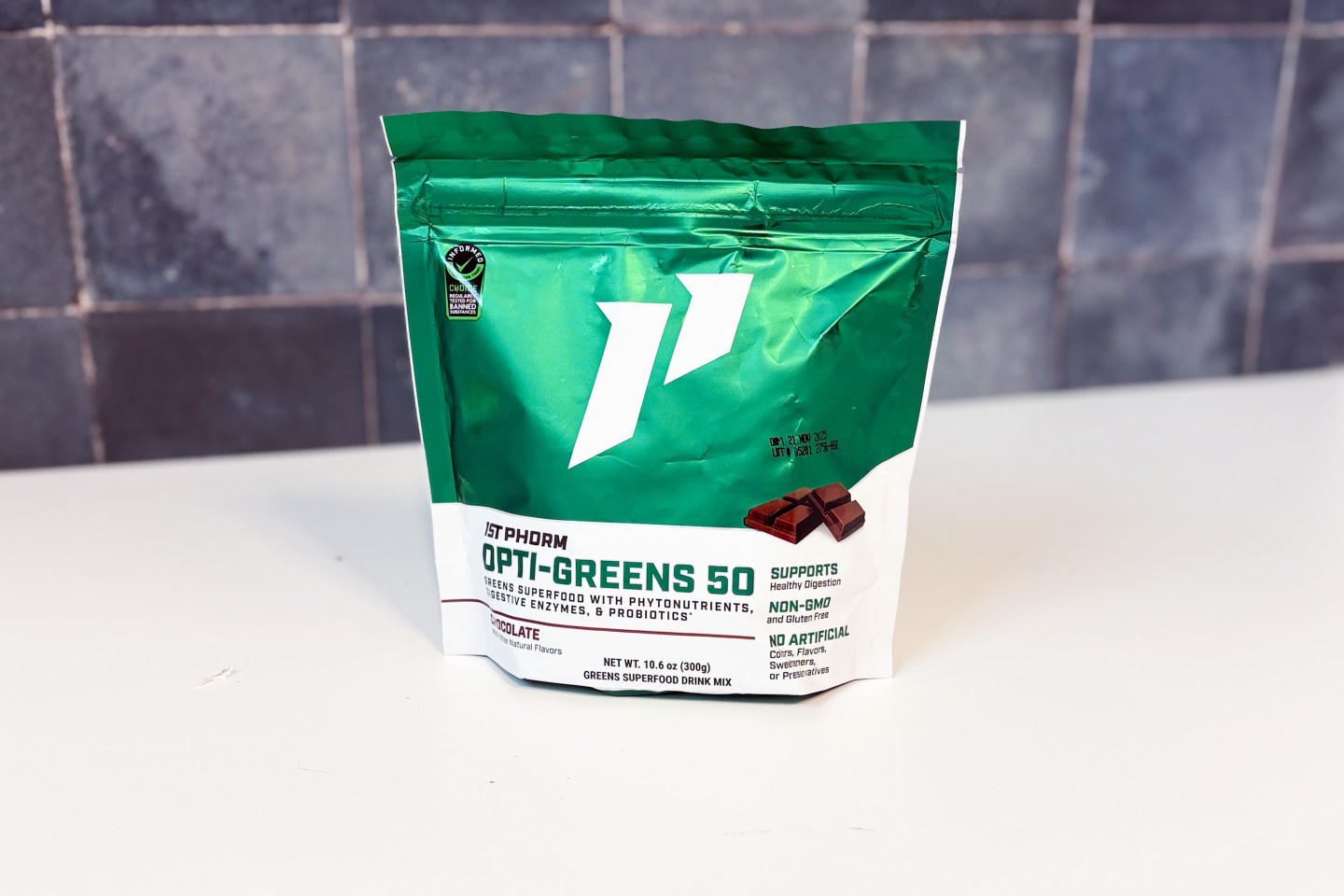
Opti-Greens 50 Review (2026): Insights from Hands-On Testing
HealthDietary Supplements
Opti-Greens 50 Review (2026): Insights from Hands-On Testing
By Christina SnyderJuly 2, 2026
4 days ago
A man shaves wood pieces from a block.
EconomyRetirement
Economists have found an answer to slowing cognitive decline: Avoid retiring early, study finds
By Sasha RogelbergJuly 2, 2026
5 days ago
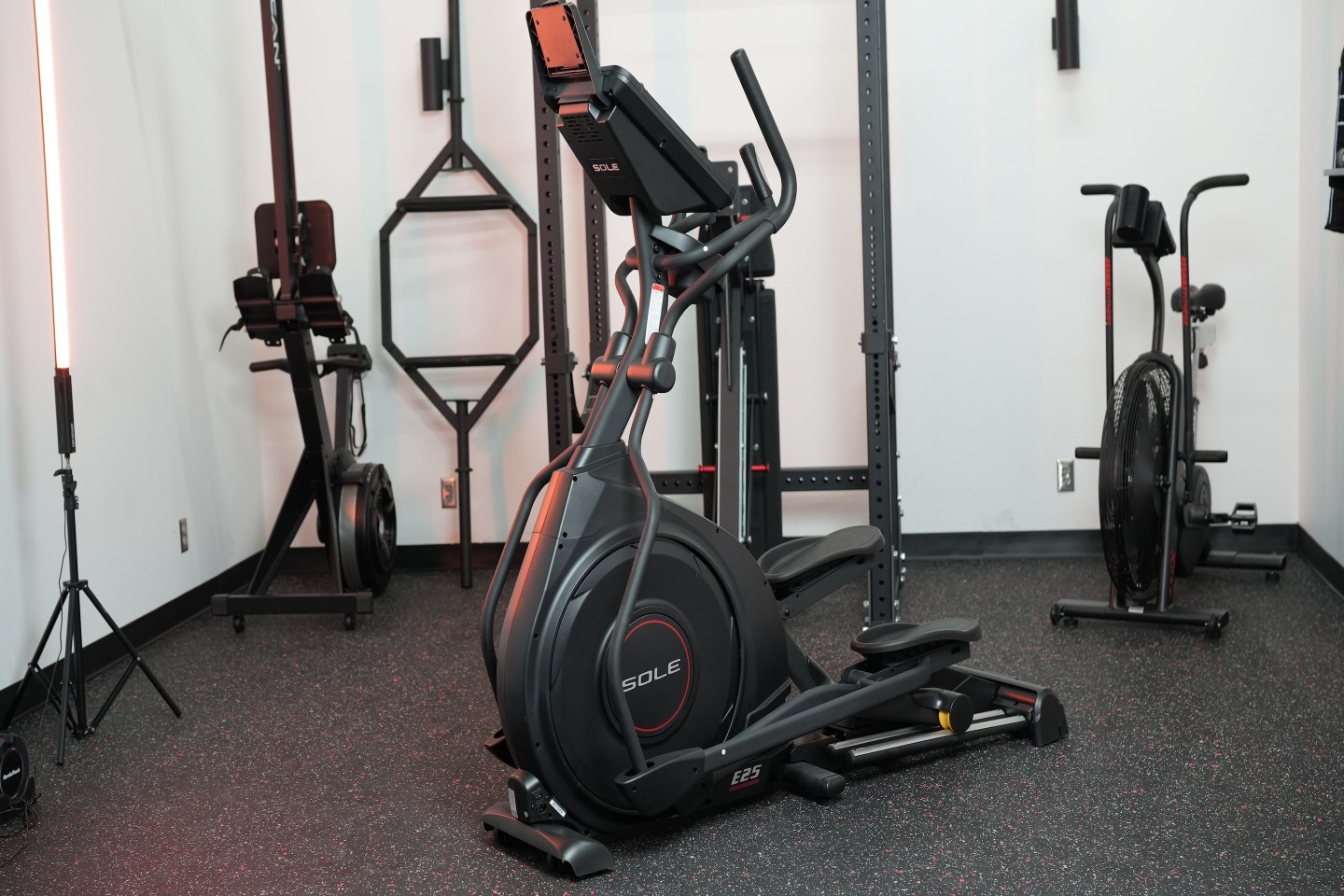
The Best Compact Ellipticals of 2026: Tested by Fitness Fanatics
HealthDietary Supplements
The Best Compact Ellipticals of 2026: Tested by Fitness Fanatics
By Emily PharesJuly 2, 2026
5 days ago

Most Popular

Shark Tank's Kevin O'Leary says if he were 25 today, he'd chase these two booming opportunities in the world of AI
AI
Shark Tank's Kevin O'Leary says if he were 25 today, he'd chase these two booming opportunities in the world of AI
By Marco Quiroz-GutierrezJuly 5, 2026
2 days ago
Even as Elon Musk calls philanthropy ‘very hard,’ everyday Americans gave a record $617 billion—despite feeling the squeeze over the cost of living
Success
Even as Elon Musk calls philanthropy ‘very hard,’ everyday Americans gave a record $617 billion—despite feeling the squeeze over the cost of living
By Preston ForeJuly 4, 2026
3 days ago
Ex-PepsiCo CEO Indra Nooyi worked from midnight until 5 a.m. as a receptionist to pay for her Yale degree—and she says ‘respect went up’ because of it
Success
Ex-PepsiCo CEO Indra Nooyi worked from midnight until 5 a.m. as a receptionist to pay for her Yale degree—and she says ‘respect went up’ because of it
By Preston ForeJuly 6, 2026
15 hours ago
Gen Z was 'jaded about employment before we ever entered the workforce'—now psychologists say the stare has hardened into something worse
Economy
Gen Z was 'jaded about employment before we ever entered the workforce'—now psychologists say the stare has hardened into something worse
By Nick LichtenbergJuly 6, 2026
24 hours ago
Current price of oil as of July 6, 2026
Personal Finance
Current price of oil as of July 6, 2026
By Joseph HostetlerJuly 6, 2026
18 hours ago
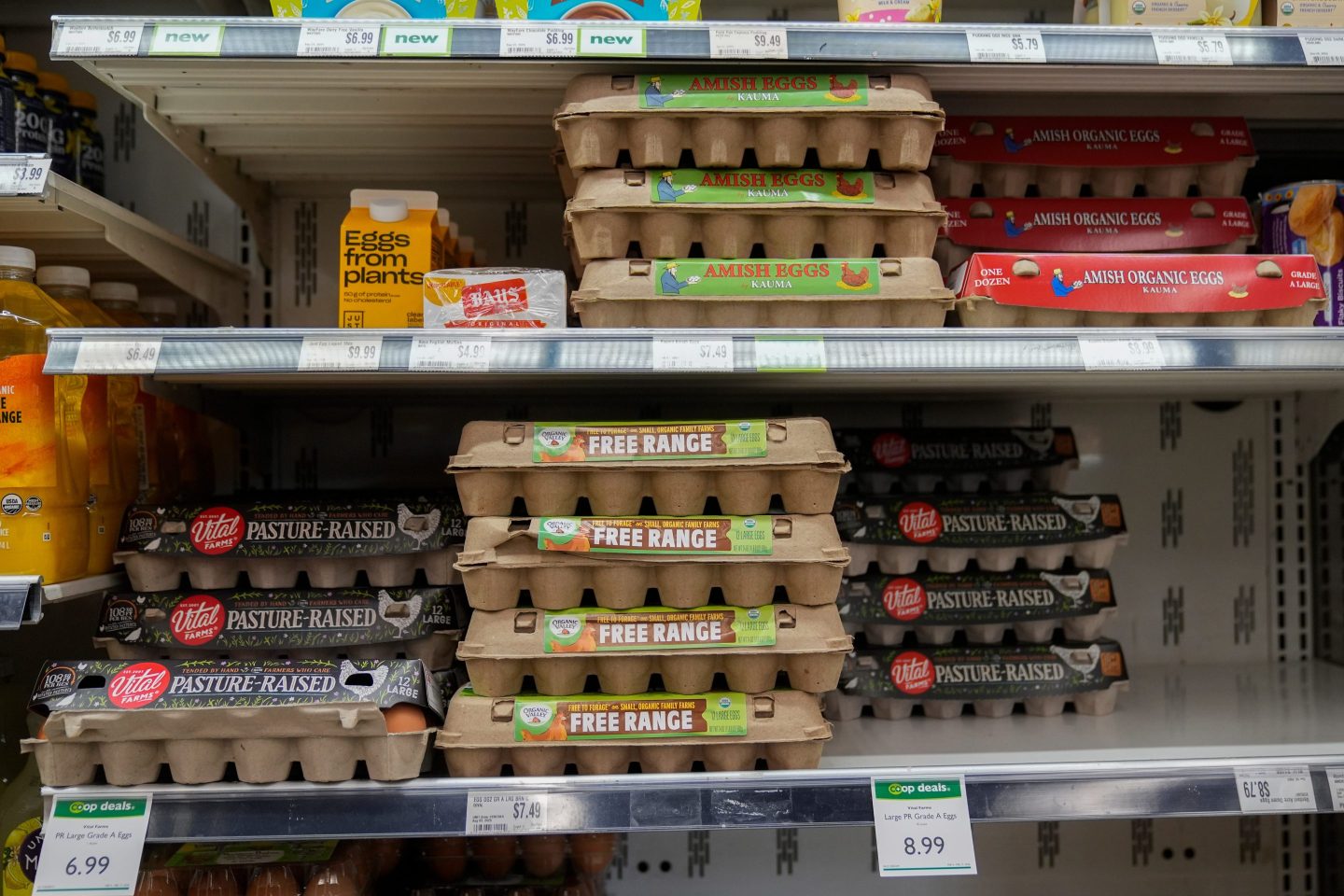
Egg companies made $1.22 billion in profit off a $6 carton — now they’re buying their way out of a price-fixing case with 53 million donated eggs
Law
Egg companies made $1.22 billion in profit off a $6 carton — now they’re buying their way out of a price-fixing case with 53 million donated eggs
By Wyatte Grantham-Philips and The Associated PressJuly 2, 2026
5 days ago

© 2026 Fortune Media IP Limited. All Rights Reserved. Use of this site constitutes acceptance of our and Privacy Policy |  | Do Not Sell/Share My Personal Information
FORTUNE is a trademark of Fortune Media IP Limited, registered in the U.S. and other countries. FORTUNE may receive compensation for some links to products and services on this website. Offers may be subject to change without notice.