• Home
  • Latest
  • Fortune 500
  • Finance
  • Tech
  • Leadership
  • Lifestyle
  • Rankings
  • Multimedia
Some Fortune Crypto pricing data is provided by Binance.
CommentaryCryptocurrency

Stricter verification laws in the U.S. won’t stop international terrorists from using crypto

By
Yaya J. Fanusie
Yaya J. Fanusie
Down Arrow Button Icon
By
Yaya J. Fanusie
Yaya J. Fanusie
Down Arrow Button Icon
October 20, 2023, 9:00 AM ET
Elizabeth Warren
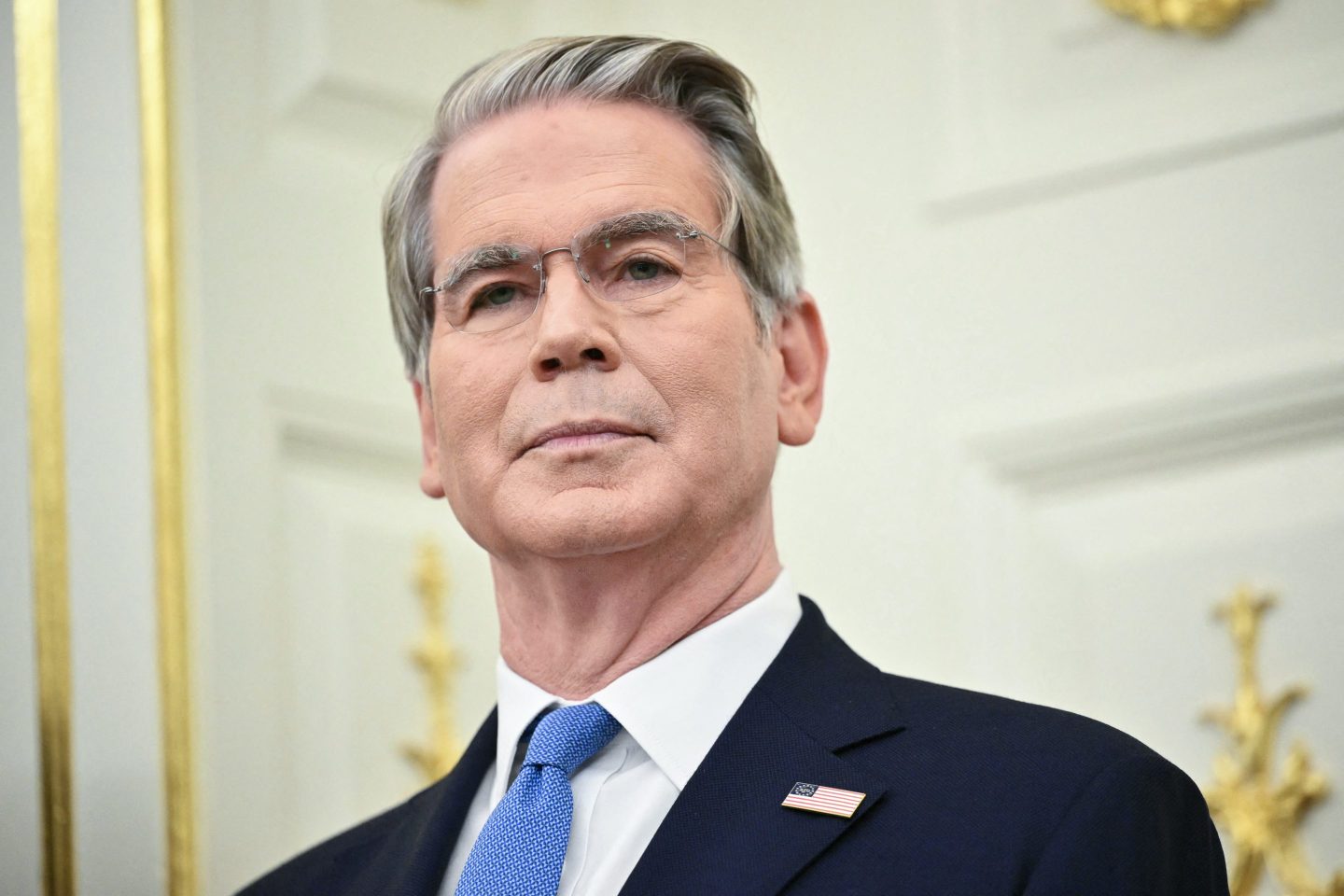
Sen. Elizabeth Warren (D-Mass.) is among U.S. lawmakers concerned about terrorists using cryptocurrencies.Alex Wong—Getty Images
Add Fortune on Google for similar content.

Recent reporting about Palestinian terrorist groups accessing crypto assets points to an ongoing challenge: Terrorist organizations continue to exploit weak links across the financial system to raise, hide, and disperse funds. Many gaps exist, both with traditional financial actors and some crypto platforms that don’t effectively enforce the clear legal requirements that should keep members of terrorist networks away from their services.

Recommended Video

It’s important to note that crypto companies in the U.S. are regulated—and have been since 2013. Exchanges and other financial intermediaries are money service businesses under Bank Secrecy Act regulations, and they’re already required to register with FinCEN and report any suspicious—potentially criminal—activity. U.S. exchanges do AML/KYC checks and screen all potential customers for sanctions. It makes the U.S. safer. In this case, other countries have something to learn from the U.S.

The recent proposal by more than 100 lawmakers, including Sens. Elizabeth Warren (D-Mass.) and Roger Marshall (R-Kans.), does nothing to address the problem of where more crypto-related crimes occur—overseas, and by unregulated actors. They are proposing KYC rules akin to suggesting that copy machine manufacturers would need to verify anyone using their copiers. The authors unfortunately fail to understand that the underlying blockchain technology actually makes transactions public, providing investigators a digital paper trail to identify terrorist operatives and their financial contributors. There are solutions.

Back in 2016, I started doing research on terrorist crowdfunding campaigns. In fact, the very first campaign I tracked was organized by a Palestinian militant network aiming to raise funds to purchase missiles and other weapons. The campaign was active for a few weeks and garnered only a little over $500 in Bitcoin. In the years that followed, a variety of terrorist groups, including Hamas, have become more familiar—and more sophisticated—when it comes to crypto. But it’s not at all clear that public crowdfunding has been the most reliable way to raise funds.

Crowdfunding is risky to those who have the gall to send funds to a terrorist group. In fact, earlier this year, Hamas’s military wing announced that it was suspending its Bitcoin campaign because the funding network suffered so many disruptions. It turns out that the public solicitation of  crypto enabled security forces to easily track donations and go after Hamas supporters and its financial apparatus. In 2020, the Department of Justice reported how U.S. law enforcement conducted a covert operation to subvert a Hamas crypto campaign, take over its websites, and divert donations into U.S.-controlled wallets.

Given this reality, how could it be that Hamas and affiliated Palestinian terrorist groups have gained tens of millions in crypto?

Most of the recent reporting about Hamas crypto funding relies on information from Israeli seizure documents—legal records of accounts linked to criminal activity that have been blocked or seized. What might not be well understood is that when law enforcement seizes terrorist assets, it blankets everything in the targeted accounts, no matter the source. It seems unlikely that the millions of dollars worth of crypto funds in these accounts came from direct public donations. What’s more plausible is that these funds represent holdings from a mix of terrorist financial activities and sources that were converted into crypto. These digital wallets could also include local money service businesses that serve Hamas as well as benign customers. (Such businesses would still be considered terrorist facilitators and could have their accounts seized, even if they include funds associated with non-terrorist customers.)

What is missing in much of the conversation about Hamas using crypto is the scope of their funding operation. Hamas’s precise financial streams are opaque and difficult to verify, but the group relies on funding from Iran, possibly tens of millions of dollars annually, along with overseas donations from Gulf countries, in particular. Funds also flow from taxation and tariffs, cash smuggling, and various money exchange businesses and front companies. Counter-terrorist finance officials attack this funding mix by targeting the facilitating institutions. For example, last year the U.S. Treasury sanctioned Hamas financial officials running the Hamas Investment Office, which manages a portfolio of global companies—construction, real estate, and mining firms among them—with assets of over $500 million from operations in Sudan, Turkey, Saudi Arabia, Algeria, and the United Arab Emirates. The designation package targets the assets of key individuals who enable Hamas to earn and move money.

Although the role of crypto for Hamas is most likely a small part of Hamas’ budget, Treasury should take a similar, laser-focused strategy to deal with Hamas’s access to crypto accounts. The U.S. should target any business or entity that continues to enable Hamas’s network to buy, receive, and send crypto. The international community has laid out standards for how crypto exchange businesses should legally operate in order to prevent money laundering and terrorist use. Some businesses based in countries or regions that don’t enforce these standards offer Hamas ways to evade sanctions and acquire crypto. Treasury should consider applying sanctions to these non-compliant crypto exchange businesses, and the U.S. government should take concrete steps to ensure that crypto exchange businesses continue to flourish onshore, where the U.S. has better regulatory reach.

The U.S. doesn’t need new legislation or enforcement tools to go after Hamas’s crypto holdings. The realm of terrorist financing is always a cat-and-mouse game. Those seeking to stop Hamas will need to be as nimble and creative as the adversary, using the tools already at our disposal to identify and disrupt its financial network.

Yaya J. Fanusie, a former CIA analyst, is the director of policy for anti-money laundering and cyber risk at the Crypto Council for Innovation. The opinions expressed in Fortune.com commentary pieces are solely the views of their authors and do not necessarily reflect the opinions and beliefs of Fortune.

About the Author
By Yaya J. Fanusie
See full bioRight Arrow Button Icon
Add Fortune on Google for similar content.

Latest in Commentary

Finance
Lorem ipsum dolor sit amet, consectetur adipiscing elit, sed do eiusmod tempor incididunt ut labore et dolore magna aliqua. Ut enim ad minim veniam
By Fortune Editors
October 20, 2025
Finance
Lorem ipsum dolor sit amet, consectetur adipiscing elit, sed do eiusmod tempor incididunt ut labore et dolore magna aliqua. Ut enim ad minim veniam
By Fortune Editors
October 20, 2025
Finance
Lorem ipsum dolor sit amet, consectetur adipiscing elit, sed do eiusmod tempor incididunt ut labore et dolore magna aliqua. Ut enim ad minim veniam
By Fortune Editors
October 20, 2025
Finance
Lorem ipsum dolor sit amet, consectetur adipiscing elit, sed do eiusmod tempor incididunt ut labore et dolore magna aliqua. Ut enim ad minim veniam
By Fortune Editors
October 20, 2025
Finance
Lorem ipsum dolor sit amet, consectetur adipiscing elit, sed do eiusmod tempor incididunt ut labore et dolore magna aliqua. Ut enim ad minim veniam
By Fortune Editors
October 20, 2025
Finance
Lorem ipsum dolor sit amet, consectetur adipiscing elit, sed do eiusmod tempor incididunt ut labore et dolore magna aliqua. Ut enim ad minim veniam
By Fortune Editors
October 20, 2025

Most Popular

Finance
Lorem ipsum dolor sit amet, consectetur adipiscing elit, sed do eiusmod tempor incididunt ut labore et dolore magna aliqua. Ut enim ad minim veniam
By Fortune Editors
October 20, 2025
Finance
Lorem ipsum dolor sit amet, consectetur adipiscing elit, sed do eiusmod tempor incididunt ut labore et dolore magna aliqua. Ut enim ad minim veniam
By Fortune Editors
October 20, 2025
Finance
Lorem ipsum dolor sit amet, consectetur adipiscing elit, sed do eiusmod tempor incididunt ut labore et dolore magna aliqua. Ut enim ad minim veniam
By Fortune Editors
October 20, 2025
Finance
Lorem ipsum dolor sit amet, consectetur adipiscing elit, sed do eiusmod tempor incididunt ut labore et dolore magna aliqua. Ut enim ad minim veniam
By Fortune Editors
October 20, 2025
Finance
Lorem ipsum dolor sit amet, consectetur adipiscing elit, sed do eiusmod tempor incididunt ut labore et dolore magna aliqua. Ut enim ad minim veniam
By Fortune Editors
October 20, 2025
Finance
Lorem ipsum dolor sit amet, consectetur adipiscing elit, sed do eiusmod tempor incididunt ut labore et dolore magna aliqua. Ut enim ad minim veniam
By Fortune Editors
October 20, 2025
Fortune Secondary Logo
Rankings
  • 100 Best Companies
  • Fortune 500
  • Global 500
  • Fortune 500 Europe
  • Most Powerful Women
  • World's Most Admired Companies
  • See All Rankings
  • Lists Calendar
Sections
  • Finance
  • Fortune Crypto
  • Features
  • Leadership
  • Health
  • Commentary
  • Success
  • Retail
  • Mpw
  • Tech
  • Lifestyle
  • CEO Initiative
  • Asia
  • Politics
  • Conferences
  • Europe
  • Newsletters
  • Personal Finance
  • Environment
  • Magazine
  • Education
Customer Support
  • Frequently Asked Questions
  • Customer Service Portal
  • Privacy Policy
  • Single Issues For Purchase
  • International Print
Commercial Services
  • Advertising
  • Fortune Brand Studio
  • Fortune Analytics
  • Fortune Conferences
  • Business Development
  • Group Subscriptions
About Us
  • Press Center
  • Work At Fortune
  • Terms And Conditions
  • Site Map
  • Press Center
  • Work At Fortune
  • Terms And Conditions
  • Site Map
  • Facebook icon
  • Twitter icon
  • LinkedIn icon
  • Instagram icon
  • Pinterest icon

Latest in Commentary

usa
Commentary250 Years of Innovation
For 250 years, work defined American identity. That era Is ending
By Keith Ferrazzi and Wendy SmithJuly 11, 2026
17 hours ago
m
Commentarymedicine
America’s bone health is quietly headed for a $19 billion crisis
By Matthew T. DrakeJuly 9, 2026
3 days ago
t
CommentaryEducation
AI is about to disrupt millions of jobs. A century ago, America’s answer was to build a new high school
By Tim KnowlesJuly 8, 2026
4 days ago
amit
CommentaryVenture Capital
Physical AI’s $50 trillion opportunity requires long-term conviction, but the payoff is huge 
By Amit ChaturvedyJuly 8, 2026
4 days ago
heat
Commentaryclimate change
McKinsey Global Institute: Climate planning has prioritized floods. Heat demands equal attention
By Sylvain Johansson, Mekala Krishnan, Kanmani Chockalingam and Annabel FarrJuly 7, 2026
5 days ago
j
CommentaryEducation
AI didn’t break higher education—It exposed the credential trap
By Jason BenedictJuly 7, 2026
5 days ago

Most Popular

Wyoming officials say Meta’s 715,000-square-foot data center is responsible for contaminating its water system with a rare bacterium
Environment
Wyoming officials say Meta’s 715,000-square-foot data center is responsible for contaminating its water system with a rare bacterium
By Sasha RogelbergJuly 10, 2026
2 days ago
Billionaire MacKenzie Scott just donated $20 million to support America’s youth mental health, as a fifth of teens struggle with suicidal thoughts
Success
Billionaire MacKenzie Scott just donated $20 million to support America’s youth mental health, as a fifth of teens struggle with suicidal thoughts
By Emma BurleighJuly 9, 2026
2 days ago
U.S. Treasury has borrowed $155 billion every month of this fiscal year—and is now paying $24 billion a week in interest on its debts
Economy
U.S. Treasury has borrowed $155 billion every month of this fiscal year—and is now paying $24 billion a week in interest on its debts
By Eleanor PringleJuly 10, 2026
2 days ago
Top Iranian officials admitted to the supreme leader that the U.S. naval blockade was crushing the economy, report says, as Trump eyes reimposing it
Middle East
Top Iranian officials admitted to the supreme leader that the U.S. naval blockade was crushing the economy, report says, as Trump eyes reimposing it
By Jason MaJuly 10, 2026
1 day ago
'The first time ever in my career': Senior Citi executive on why the ultrawealthy want to diversify away from America
Banking
'The first time ever in my career': Senior Citi executive on why the ultrawealthy want to diversify away from America
By Nick LichtenbergJuly 11, 2026
16 hours ago
Americans are quietly abandoning the daily habit that billionaires say set them up for success—and it could have lasting consequences
Success
Americans are quietly abandoning the daily habit that billionaires say set them up for success—and it could have lasting consequences
By Preston ForeJuly 11, 2026
17 hours ago

© 2026 Fortune Media IP Limited. All Rights Reserved. Use of this site constitutes acceptance of our and Privacy Policy |  | Do Not Sell/Share My Personal Information
FORTUNE is a trademark of Fortune Media IP Limited, registered in the U.S. and other countries. FORTUNE may receive compensation for some links to products and services on this website. Offers may be subject to change without notice.